The Leonids come from comet debris#
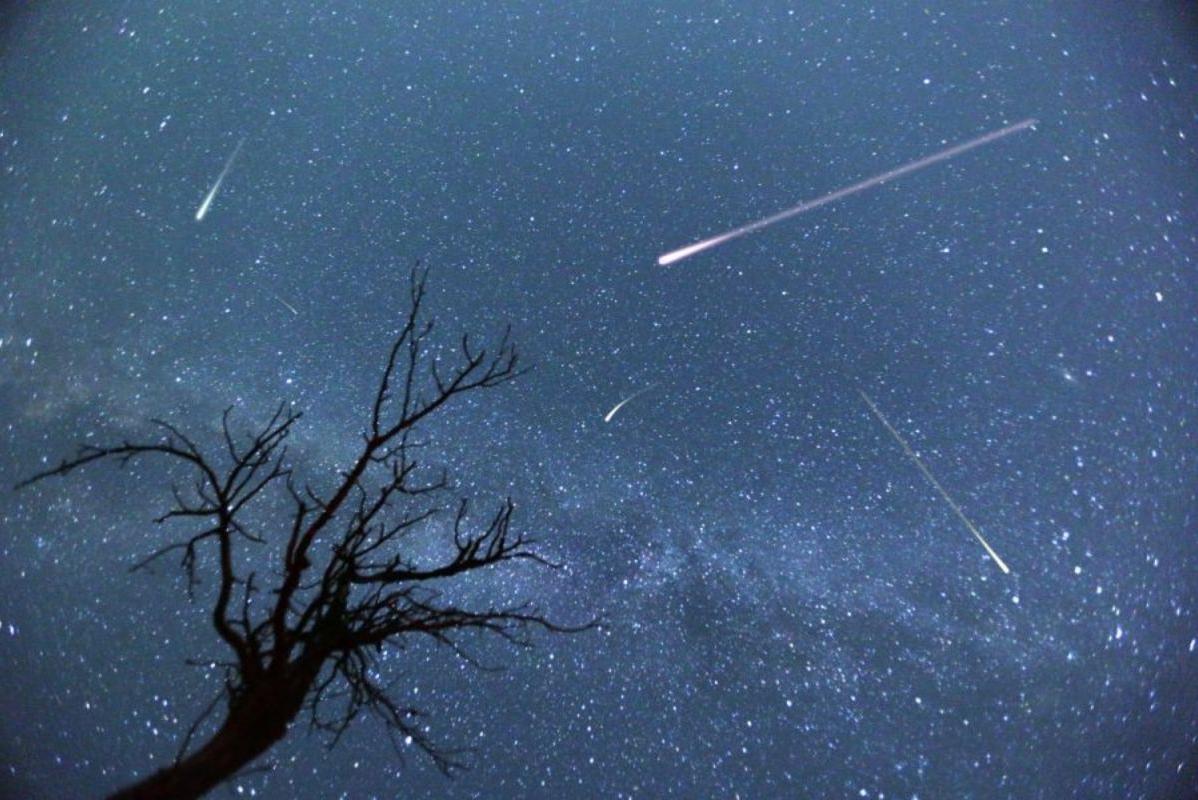
The Leonids take their name from Leo, the constellation containing the shower's radiant, the point from which its meteors appear to originate, according to Yahoo. The meteors can appear across the sky rather than only near Leo.tech.yahoo.com 1 source for this line, starting with YAHOO!
The streaks come from dust and debris left by Comet Tempel-Tuttle as the material strikes Earth's atmosphere, the South Wales Argus reports. The two observers who discovered the comet gave it their surnames as its name.southwalesargus.co.uk 1 source for this line, starting with South Wales Argus
The South Wales Argus notes that the Leonids have produced much larger displays in the past. It puts the rate during a 1966 meteor storm at 144,000 an hour and says heightened bursts also occurred from 1999 to 2001.southwalesargus.co.uk 1 source for this line, starting with South Wales Argus
Mars and Jupiter share the sky#
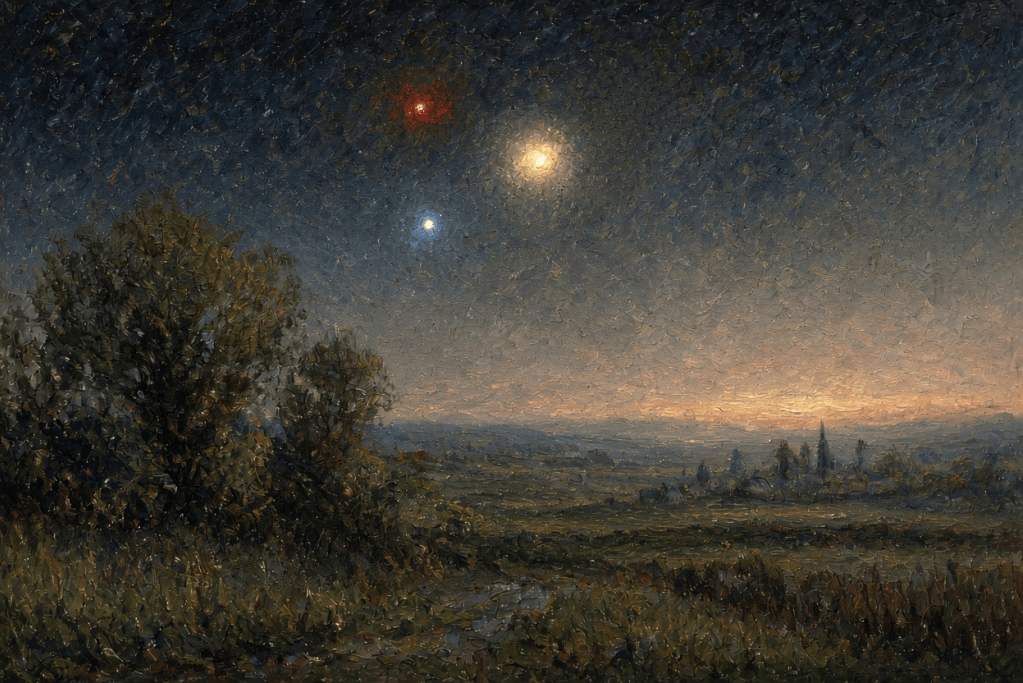
According to Yahoo, around midnight local time the two planets rise in the east, then move higher in the sky as daybreak approaches. Jupiter is the brighter point, while Mars appears reddish nearby. Both planets are visible without a telescope.tech.yahoo.com 1 source for this line, starting with YAHOO!
Venus is currently the brightest object in the morning sky, according to the South Wales Argus. The paper says the eastern direction of the Mars and Jupiter pairing also corresponds to the part of the sky where the Leonids appear.southwalesargus.co.uk 1 source for this line, starting with South Wales Argus
Earth's mini-moon has a temporary stay#
Earth also has a temporary mini-moon, an asteroid held by the planet's gravity, the South Wales Argus reports. Named 2026 QQ8, the rock measures around two metres and was discovered in August.southwalesargus.co.uk 1 source for this line, starting with South Wales Argus
BroBible reports that Hungarian astronomer Krisztian Sarneczky first spotted the object on August 20 at the Piszkesteto Observatory. According to the South Wales Argus, the asteroid is likely to break free late this year or during January 2027.brobible.com+1 2 sources for this line, starting with BroBible