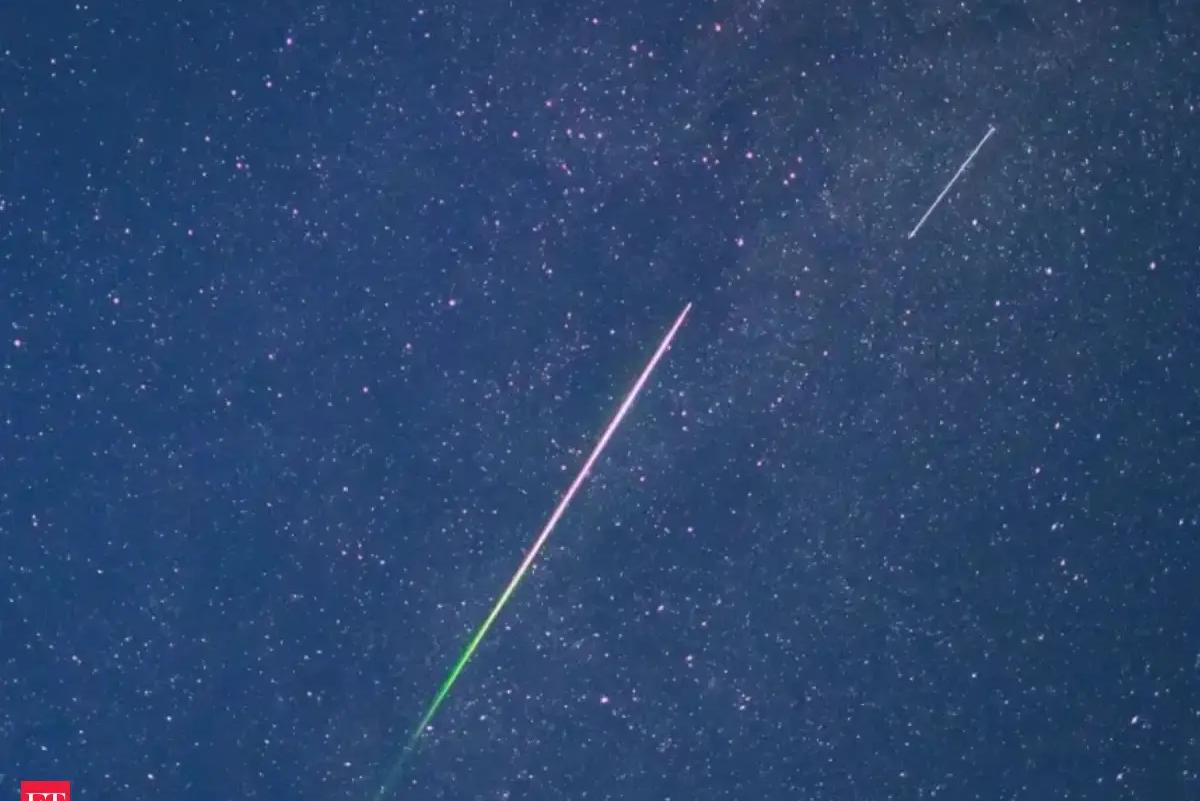
The Taurid showers peak on different nights#
The Southern Taurids remain active through November 20, CW39 Houston reports. Bright fireballs distinguish the shower, although observers see only a handful of meteors per hour. Its meteors appear to radiate from the constellation Taurus.cw39.com 1 source for this line, starting with CW39 Houston
The Northern Taurids also appear to originate near Taurus, but from a different region of the constellation, according to CW39 Houston. Their active period runs from October 20 through December 10, with the peak on the night of November 11 into November 12.cw39.com 1 source for this line, starting with CW39 Houston
CW39 Houston reports that the moon was about 22% illuminated during the Southern Taurids peak, compared with about 5% at the Northern Taurids peak. Less moonlight makes the sky darker and can make faint meteors easier to spot, the station says.cw39.com 1 source for this line, starting with CW39 Houston
Debris produces the streaks of light#
Meteor showers occur when Earth passes through debris trails left by comets and asteroids, KSL News reports. The material burns up as it enters the atmosphere, leaving streaks of light. Dust grains and pebbles match most pieces in size, whereas larger debris produces fireballs.ksl.com 1 source for this line, starting with KSL News
According to KSL News, Southern Taurid meteors reach the atmosphere traveling at about 65,000 miles per hour. The station reports that they move more slowly than Orionid meteors and remain visible for longer. The annual Southern Taurid shower produces roughly five meteors per hour.ksl.com 1 source for this line, starting with KSL News
The Orionids remain active through November 7, the Denver Gazette reports. According to Space.com, as cited by the Gazette, the best time to view the Beaver Moon later in the month is before dawn on November 24. It will also appear fully lit on the nights of November 23 and November 24.denvergazette.com 1 source for this line, starting with Denver Gazette