Taurid fireballs come from larger debris#
Meteor showers occur when Earth passes through trails of debris left by comets and asteroids. As the material enters the atmosphere, it burns up and produces a streak of light, CNN reports. The Taurids are associated with debris from Comet 2P/Encke, according to EarthSky, as cited by Yahoo.cnn.com+1 2 sources for this line, starting with CNN
Most material that produces meteors is the size of dust grains or pebbles, CNN reports. Fireballs come from larger pieces, ranging from marble-sized debris to small boulders. Some leave glowing lines that fade after seconds, while others produce smoke trails that remain for several minutes.cnn.com 1 source for this line, starting with CNN
Southern Taurid meteors enter the atmosphere at about 65,000 miles per hour, slower than meteors from showers such as the Orionids, CNN reports. Their slower speed makes them visible for longer, and their glowing trails can be particularly lengthy.cnn.com 1 source for this line, starting with CNN
A crescent moon leaves darker skies#
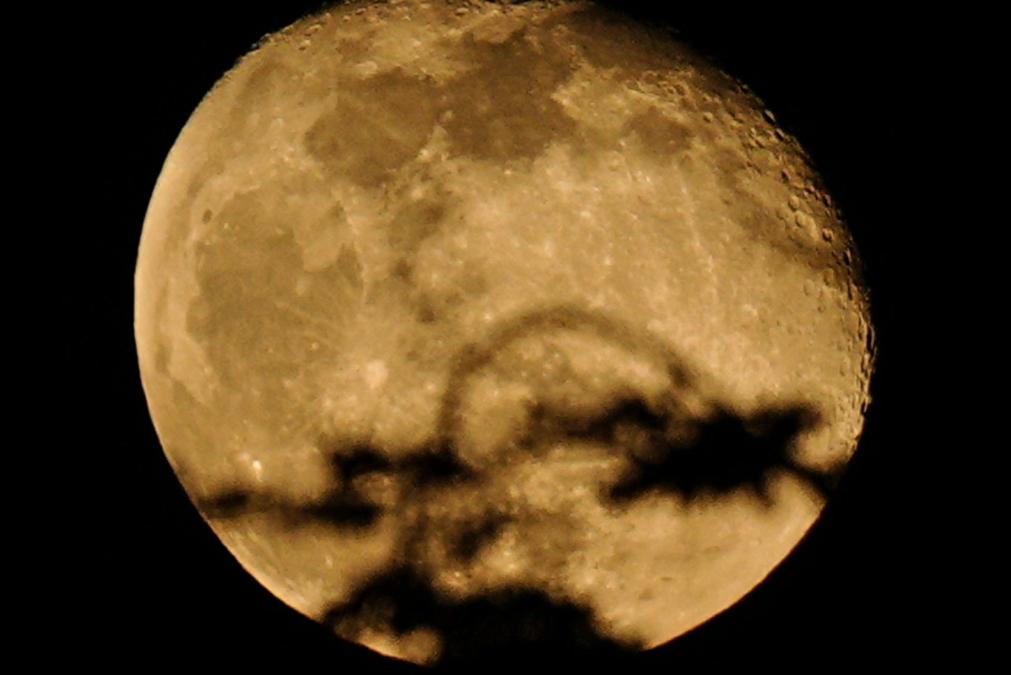
The waning crescent moon is 17% illuminated and rises a couple of hours before dawn, leaving much of the night dark, Yahoo reports. The American Meteor Society says that even under ideal conditions, most observers will probably see fewer than five Taurid meteors per hour.tech.yahoo.com 1 source for this line, starting with YAHOO!
The Southern Taurids are one of two Taurid streams. The Northern Taurids offer another chance to see bright fireballs, with their peak expected overnight on November 11-12, according to The Economic Times.economictimes.indiatimes…+1 2 sources for this line, starting with economictimes.indiatimes.com
Later in November, the Leonid meteor shower reaches peak activity on the nights of November 17-18 and 18-19, BBC Sky at Night Magazine reports. Its meteors come from debris shed by comet 55P/Tempel-Tuttle.skyatnightmagazine.com 1 source for this line, starting with BBC Sky at Night Magazine

- tech.yahoo.comThe Southern Taurid meteor shower reaches its peak overnight.(opens in a new tab)
- economictimes.indiatimes.comMissed the first Taurid meteor shower peak? Another chance to see dazzling fireballs is coming next week(opens in a new tab)
- skyatnightmagazine.comSee the Leonid meteor shower tonight. Top tips for complete beginners catching autumn shooting stars(opens in a new tab)