Mars and Jupiter draw close#
Mars and Jupiter appear about 1.2 degrees apart before sunrise on November 15 and 16, according to NASA Science. According to the agency, two full moons side by side would span slightly less than that separation. Jupiter is the brighter point, with reddish Mars nearby.science.nasa.gov 1 source for this line, starting with NASA Science
Before the four-planet display, Mars, Jupiter and Venus are visible to the naked eye before dawn during the week of November 5 to 11, Star Walk reports. Mercury passes an inferior conjunction on November 4 and is generally lost in the sun's glare, according to the sky guide.starwalk.space 1 source for this line, starting with Star Walk
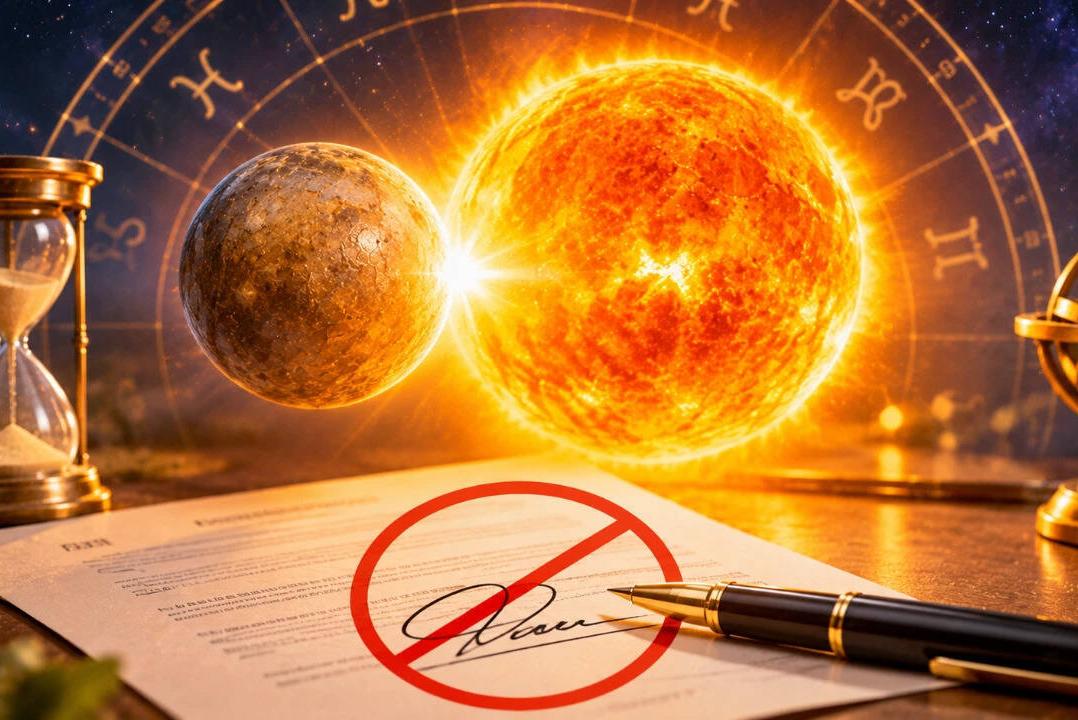
Venus also passed between Earth and the sun on October 23, an event astronomers call an inferior conjunction, according to A Little Spark of Joy's account of Farmers' Almanac. The guide notes that the conjunction is an astronomical event, while claims about its influence on relationships or decisions are astrological readings rather than established science.alittlesparkofjoy.com 1 source for this line, starting with A Little Spark of Joy
Taurid meteors precede the Leonids#
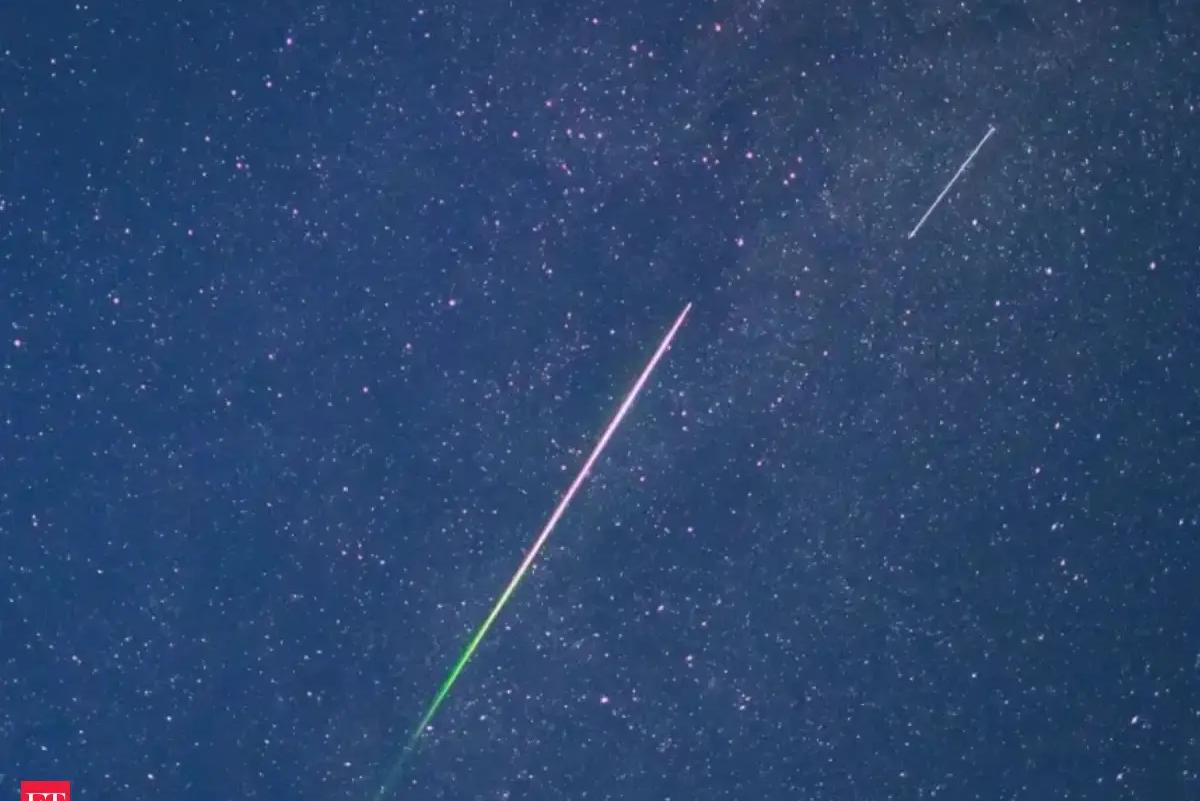
The Southern Taurids reach their peak between November 4 and 5, MARCA reports. The shower usually produces around five to 10 meteors an hour and can include fireballs, exceptionally bright flashes across the sky. NASA Science places the peak around November 5 and also notes the occasional bright fireball.marca.com+1 2 sources for this line, starting with MARCA
The Northern Taurids peak around November 12, according to NASA Science. The agency says each Taurid shower produces around five meteors an hour under ideal conditions. Their names refer to two areas in the constellation Taurus from which the meteors appear to originate.science.nasa.gov 1 source for this line, starting with NASA Science
NASA Science lists the Leonids for the early mornings of November 17 and 18, after the moon sets. The agency says most viewers see fewer, although optimal viewing could yield around 15 meteors an hour. On November 24, a full supermoon begins a sequence of three supermoons in a row.science.nasa.gov 1 source for this line, starting with NASA Science