Why this full moon looks bigger and brighter#
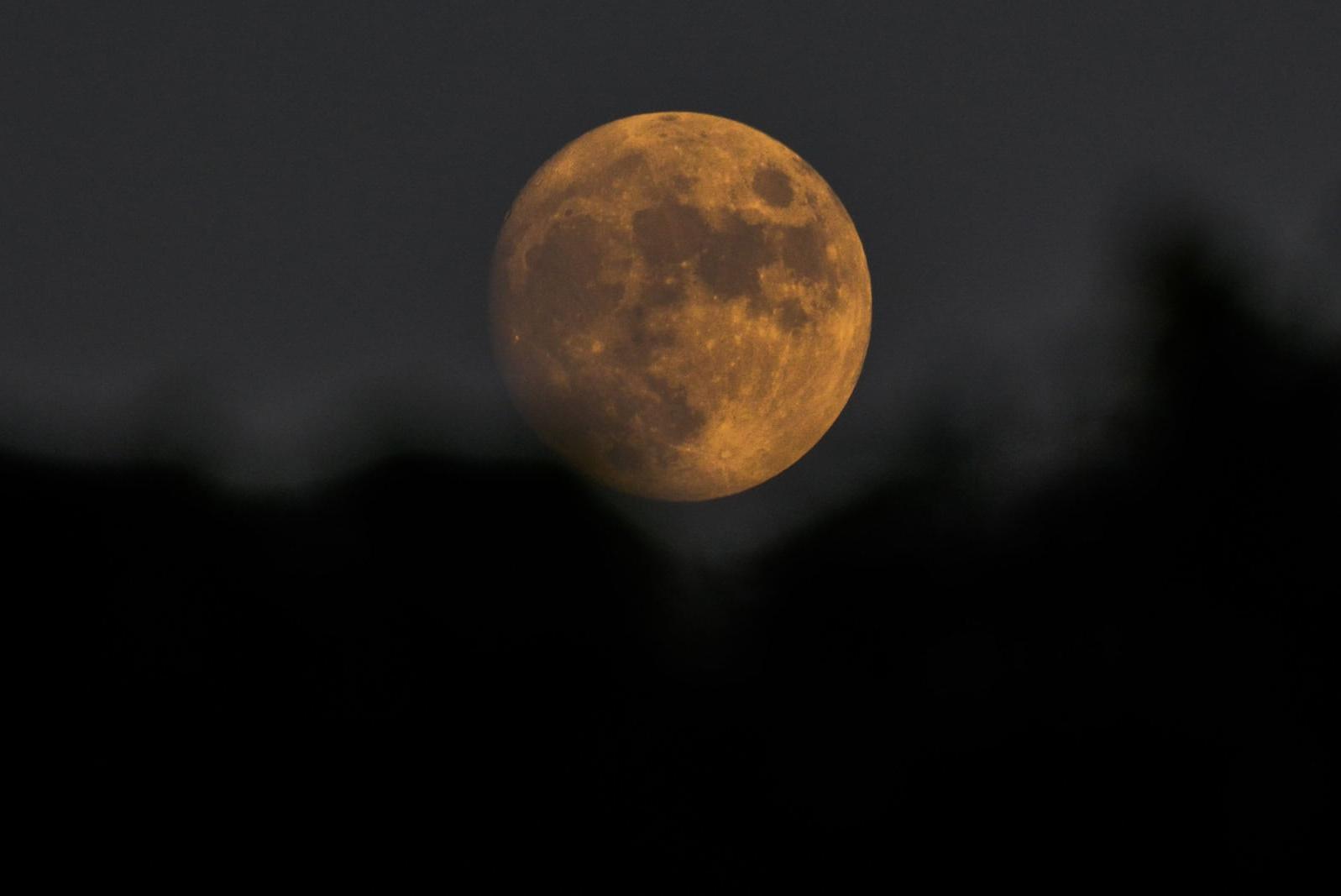
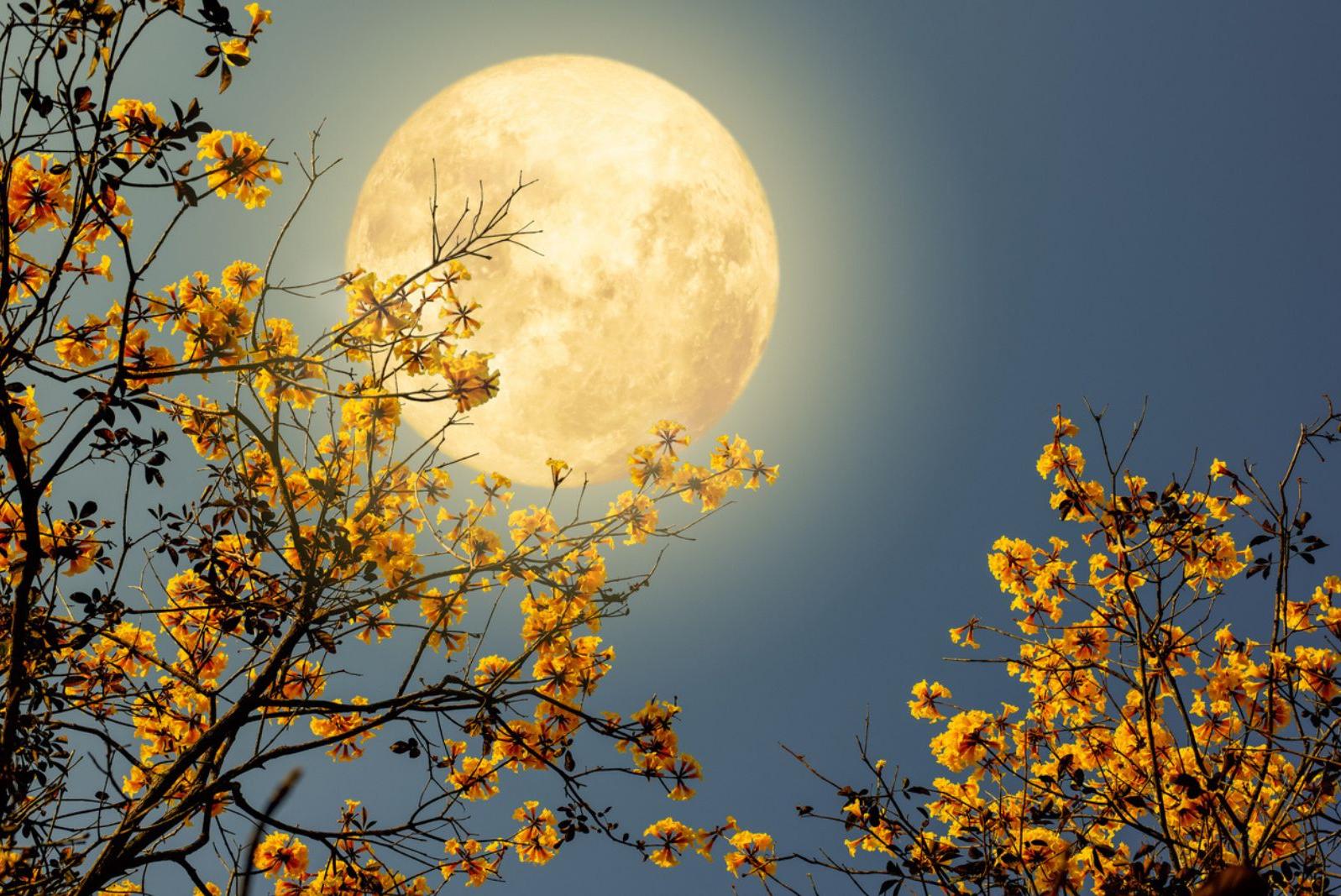
Because the Moon's orbit is elliptical rather than circular, its distance from Earth keeps changing, and a supermoon is technically a perigee syzygy, or perigee full moon, BBC Sky at Night Magazine explains. This November supermoon will be the farthest from Earth of the four in the current run, with December's Cold Moon expected to be the year's biggest full moon, the outlet reports.skyatnightmagazine.com 1 source for this line, starting with BBC Sky at Night Magazine
The Beaver Moon will sit roughly 360,768 kilometers (224,171 miles) from Earth, closer than the Moon's average distance of 384,400 kilometers, according to swikblog, which also reports that at its most extreme, a supermoon's diameter and brightness can exceed a micromoon's by as much as 14% and 30% respectively. Moonrise on November 24 is expected around 4:15 p.m. in New York and 3:17 p.m. in London, per the same report.swikblog.com 1 source for this line, starting with swikblog

A supermoon's gravitational pull on Earth is slightly stronger because of the shorter distance, which the BBC says pushes tides higher than usual around the full moon. The Moon illusion, which makes the Moon look especially large near the horizon, is most noticeable around moonrise, while brightness becomes the more obvious change later in the night, according to the BBC.bbc.co.uk 1 source for this line, starting with BBC
- skyatnightmagazine.comSupermoon season is here! The first supermoon rises this week. Here's all you need to know to see it(opens in a new tab)
- swikblog.comBeaver Moon Supermoon 2026: Peak Time, Best Viewing Dates and How to Watch(opens in a new tab)
- bbc.co.ukNovember full Moon: First of four supermoons to light up sky(opens in a new tab)
Where the Beaver Moon name comes from#
The name Beaver Moon marks a season of heavy beaver activity ahead of winter, BBC Sky at Night Magazine reports, which also notes a darker history behind the name: beavers were historically hunted for their pelts in November, nearly to extinction.skyatnightmagazine.com 1 source for this line, starting with BBC Sky at Night Magazine
Other names for the same lunation include the Frost Moon, Freezing Moon, Trading Moon, Whitefish Moon and Digging or Scratching Moon, largely drawn from Indigenous lunar calendars used by peoples of eastern Canada, the northeastern United States and the Great Lakes region, according to Yahoo News Canada. Those names mark a full lunar month rather than a single night, unlike folklore names such as the Harvest Moon, the outlet reports.ca.news.yahoo.com 1 source for this line, starting with Yahoo News Canada
More close full moons are coming#
This supermoon opens a run that continues into a December 24 Cold Moon supermoon, which will be the closest full moon since 2018, and a January 22, 2027 Wolf Moon supermoon, Live Science reports. The Cold Moon is expected at 221,667 miles (356,740 km) from Earth and the Wolf Moon at 222,229 miles (357,644 km), according to Yahoo News's report on the same sequence.livescience.com+1 2 sources for this line, starting with Live Science