Venus shines beside the thin crescent#
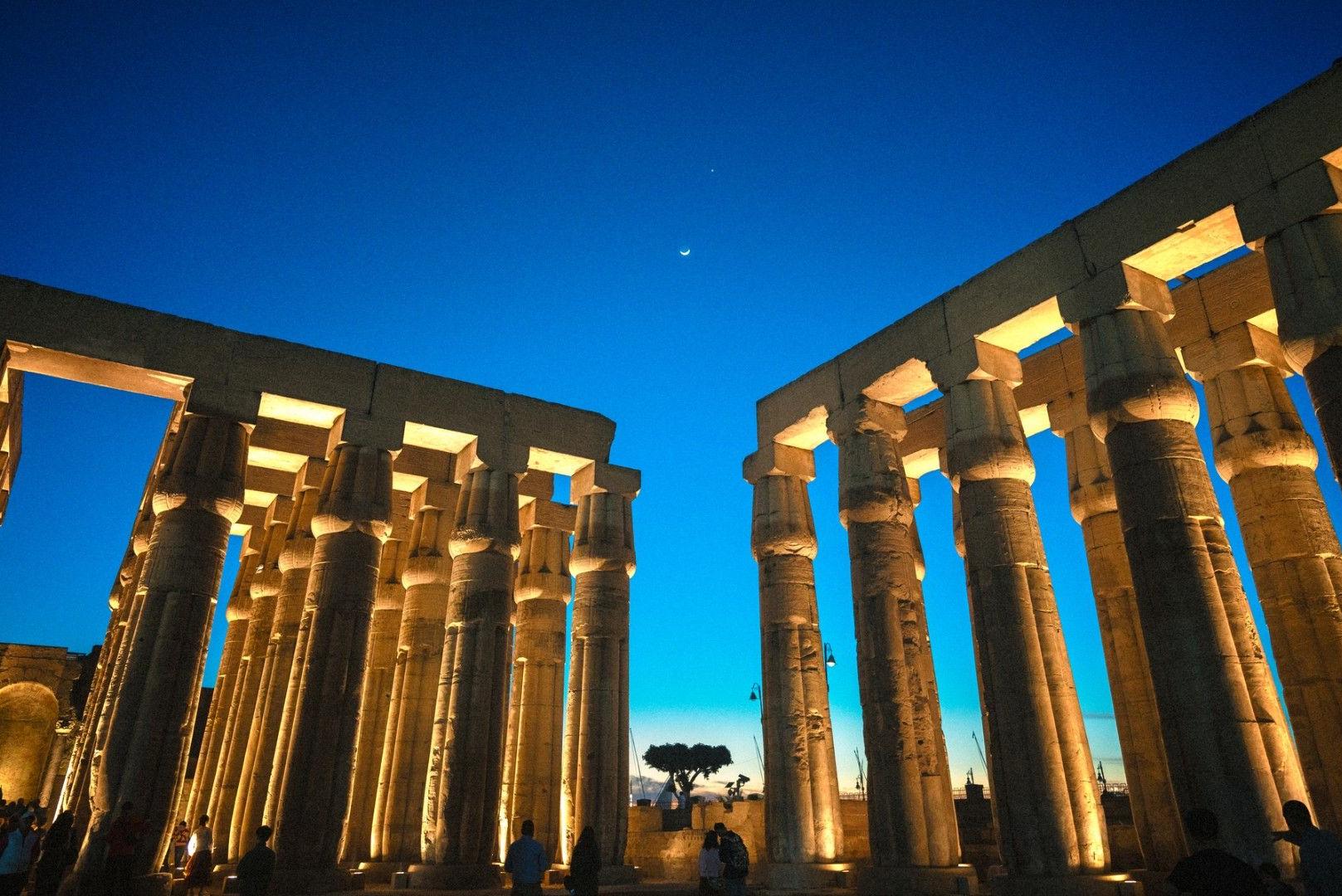
The Farmers' Almanac says Venus will appear as a steady white point. Spica will be noticeably fainter and may be harder to distinguish as twilight brightens. The almanac places the group low in the east-southeast and says visibility depends on location, the horizon and cloud cover.farmersalmanac.com 1 source for this line, starting with Farmers' Almanac
Astronomy.com reports that Venus appears above and to the left of the crescent, with Spica 1.3 degrees northeast of the planet. The publication also notes the possibility of seeing earthshine, sunlight reflected from Earth onto the Moon's shadowed face.astronomy.com 1 source for this line, starting with Astronomy
The Farmers' Almanac estimates that about 3% of the Moon's Earth-facing surface is lit by direct sunlight. Geo News gives a different figure, about 1%, and says the three objects form a triangle visible without optical equipment.farmersalmanac.com+1 2 sources for this line, starting with Farmers' Almanac
The Moon moves toward Antares#
Earlier in the week, the waning Moon passed an arc containing Mars, Jupiter and Regulus on the mornings of November 2 through 4, according to Star Walk. Its crescent grew thinner as the week progressed and appeared closer to the Sun.starwalk.space 1 source for this line, starting with Star Walk
Star Walk says the Moon appears closer to Venus on the morning of November 8 in Australia and New Zealand, though it remains lower above the horizon there. The new Moon follows on November 8 or 9, depending on the time zone.starwalk.space 1 source for this line, starting with Star Walk
On November 10 and 11, the crescent appears near Antares after sunset, Star Walk reports. The Moon appears closer to the star on November 10 across much of the Americas and on November 11 in Asia, Australia and New Zealand. Some South Pacific islands can see the Moon pass in front of Antares.starwalk.space 1 source for this line, starting with Star Walk