The Leonids follow two Taurid showers#
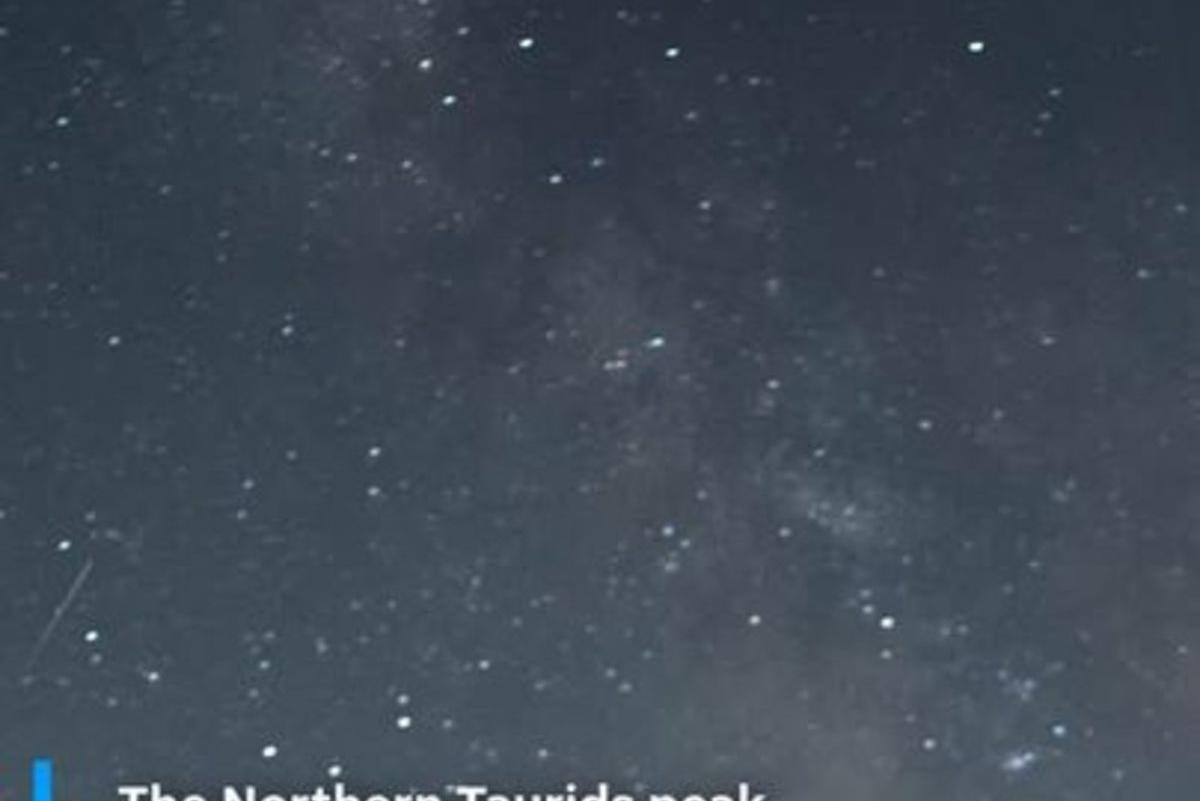
The Southern Taurids reach their November maximum around November 5, followed by the Northern Taurids around November 12, according to Condé Nast Traveller Middle East. Curly Tales gives peak dates of November 4 and 5 for the Southern shower and November 11 and 12 for the Northern shower.cntravellerme.com+1 2 sources for this line, starting with cntravellerme.com
Condé Nast Traveller Middle East describes the Taurids as sparse and relatively slow, with occasional fireballs. Curly Tales calls fireballs unusually bright meteors and says the Northern Taurids' visible count varies with meteor activity and viewing conditions.cntravellerme.com+1 2 sources for this line, starting with cntravellerme.com
The Leonids move much faster than the Taurids, according to Condé Nast Traveller Middle East. The magazine says the Leonids are expected to have the higher peak rate of the three November showers.cntravellerme.com 1 source for this line, starting with cntravellerme.com
The Leonids take their name from Leo#
Meteor showers occur as Earth passes through trails of comet debris, Condé Nast Traveller Middle East reports. Wikipedia identifies the Leonids with comet Tempel-Tuttle and says their name comes from Leo, the constellation containing the point from which the meteors appear to radiate.cntravellerme.com+1 2 sources for this line, starting with cntravellerme.com
Wikipedia describes the Leonids as an annual shower associated with meteor storms about every 33 years. Condé Nast Traveller Middle East says Earth encounters specific debris trails at a similar stage of its yearly orbit.cntravellerme.com+1 2 sources for this line, starting with cntravellerme.com
Dubai group usually hosts desert sessions#
The Dubai Astronomy Group usually holds interactive meteor-viewing sessions in the Al Qudra desert, What's On reports. The sessions include an introduction to how meteors form, stories about the significance of astronomical events and opportunities to view planets through telescopes.whatson.ae 1 source for this line, starting with What's On
Condé Nast Traveller Middle East says viewing conditions depend on the hour, the Moon's position and distance from artificial light. For the Leonids, the magazine identifies the night of November 17 to 18 as the period around the predicted regular maximum.cntravellerme.com 1 source for this line, starting with cntravellerme.com