Peak estimates differ by location#
The American Meteor Society's timing differs from an estimate reported by note based on the International Meteor Organization forecast. Converted to Japan Standard Time, that estimate puts the Northern Taurids' peak at around 3:00 AM on November 13. The note article also cites the National Astronomical Observatory of Japan's guidance of around November 13.newsweek.com+1 2 sources for this line, starting with Newsweek
Colorado astronomy guide Mark Laurin told The Aspen Times that the shower would peak on the night of November 12, with meteors visible from sunset through sunrise. Laurin is a member of the Denver Astronomical Society and a mentor for Dark Sky Colorado, the newspaper reports.aspentimes.com 1 source for this line, starting with The Aspen Times
According to Wikipedia, the Taurids comprise separate Northern and Southern showers. A note says the Southern Taurids peak around November 6, with activity changing gradually and similar meteor counts in the surrounding days.note.com+1 2 sources for this line, starting with note
- newsweek.comThe Northern Taurids are nearing their annual peak(opens in a new tab)
- note.comThe Taurid meteor shower is worth watching starting tonight: The Northern Taurids peak in the early hours of November 13, and 3 conditions for encountering fireballs(opens in a new tab)
- aspentimes.comColorado’s night skies to feature ‘can’t miss celestial event,’ multiple meteor showers and a supermoon in November(opens in a new tab)
- en.wikipedia.orgTaurids(opens in a new tab)
Forecasts vary across the United States#
National Weather Service forecasts cited by Newsweek point to clear skies Wednesday night around Scottsdale, Arizona, and Albuquerque, New Mexico. The outlook is mostly clear around Stafford and Wichita in Kansas, while the forecast around Spencer, Nebraska, calls for partly cloudy skies.newsweek.com 1 source for this line, starting with Newsweek
The outlook is less favorable in other areas. Newsweek reports a chance of rain around Chicago on Wednesday night, while the National Weather Service forecast intermittent rainfall, strong wind gusts and snow in the mountains of the Pacific Northwest. Boston's Wednesday night forecast calls for partly cloudy skies.newsweek.com 1 source for this line, starting with Newsweek
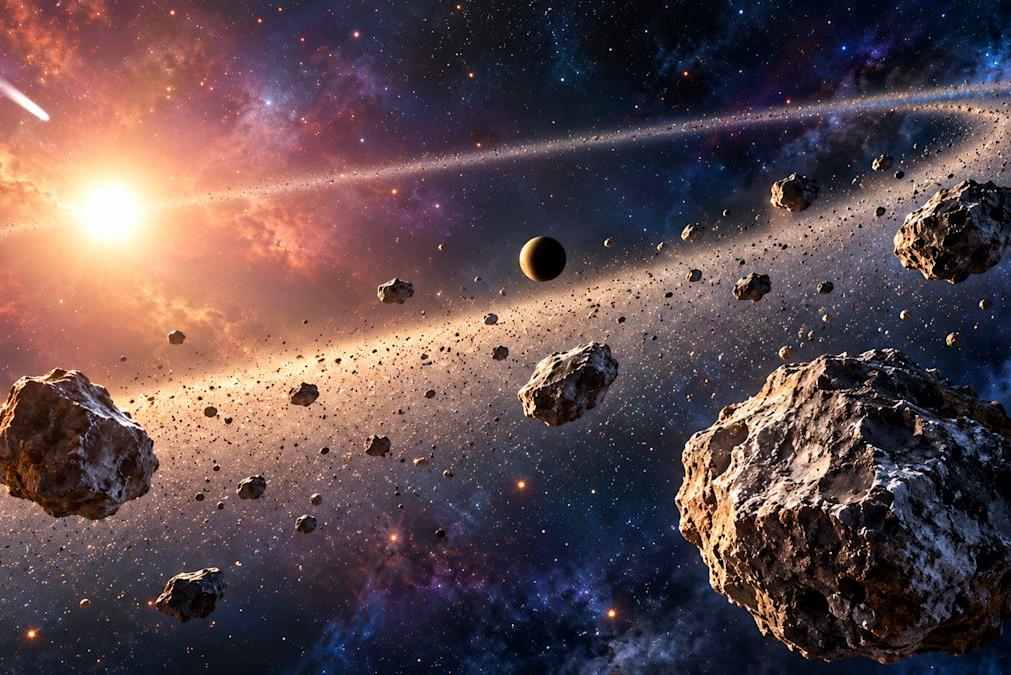
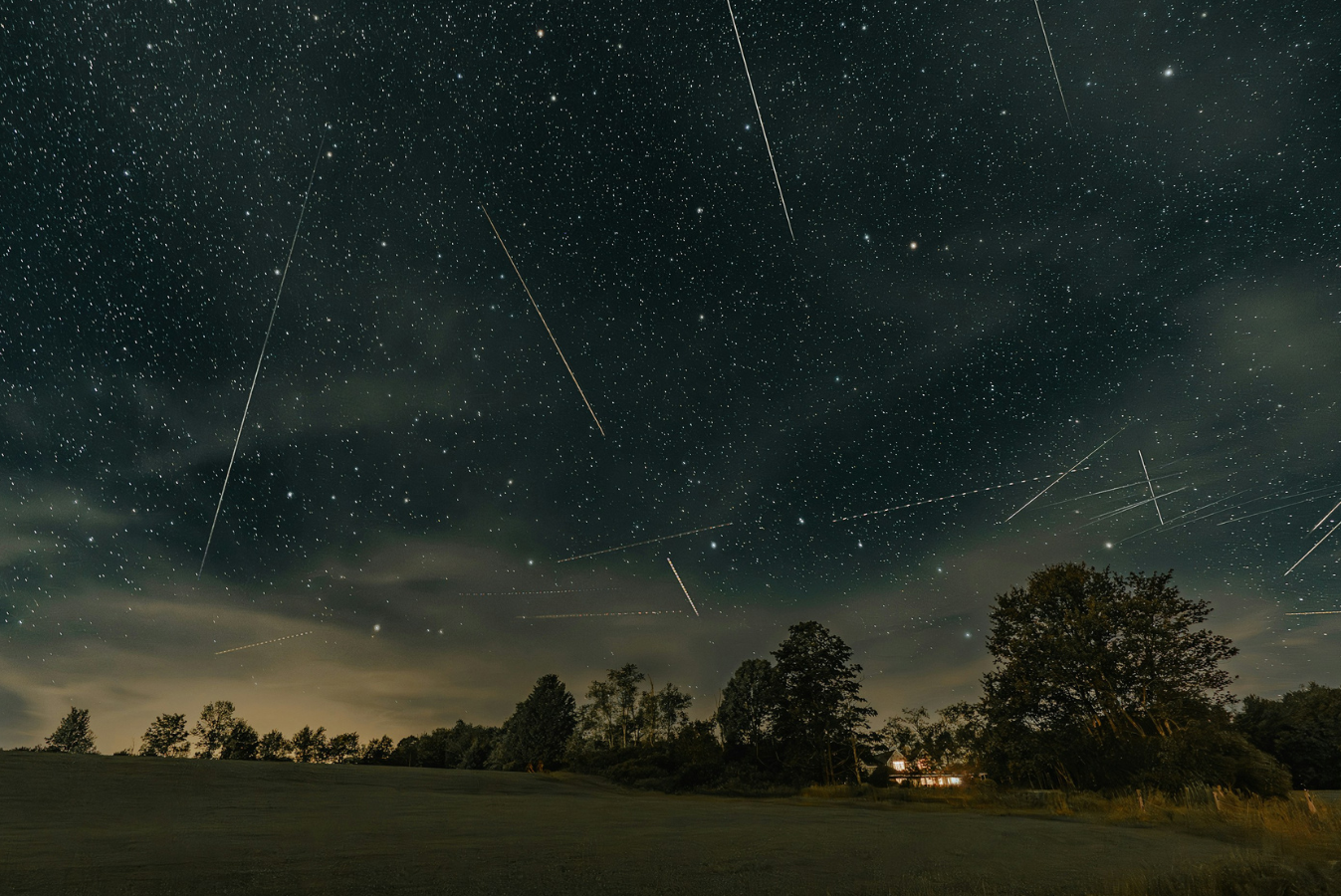
A meteor is the streak of light produced when space debris burns in the atmosphere, The Aspen Times reports. Meteor showers occur when Earth passes through debris left by a comet or asteroid. Newsweek notes that forecasts can change before Wednesday night and that conditions can vary within individual states.newsweek.com+1 2 sources for this line, starting with Newsweek