Taurid fireballs stand out#
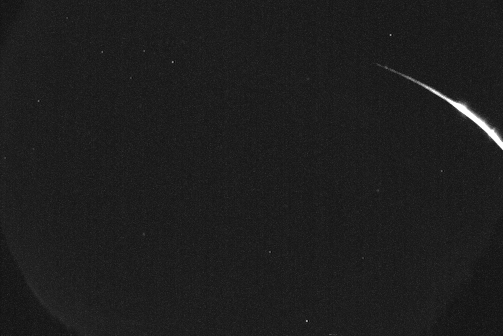
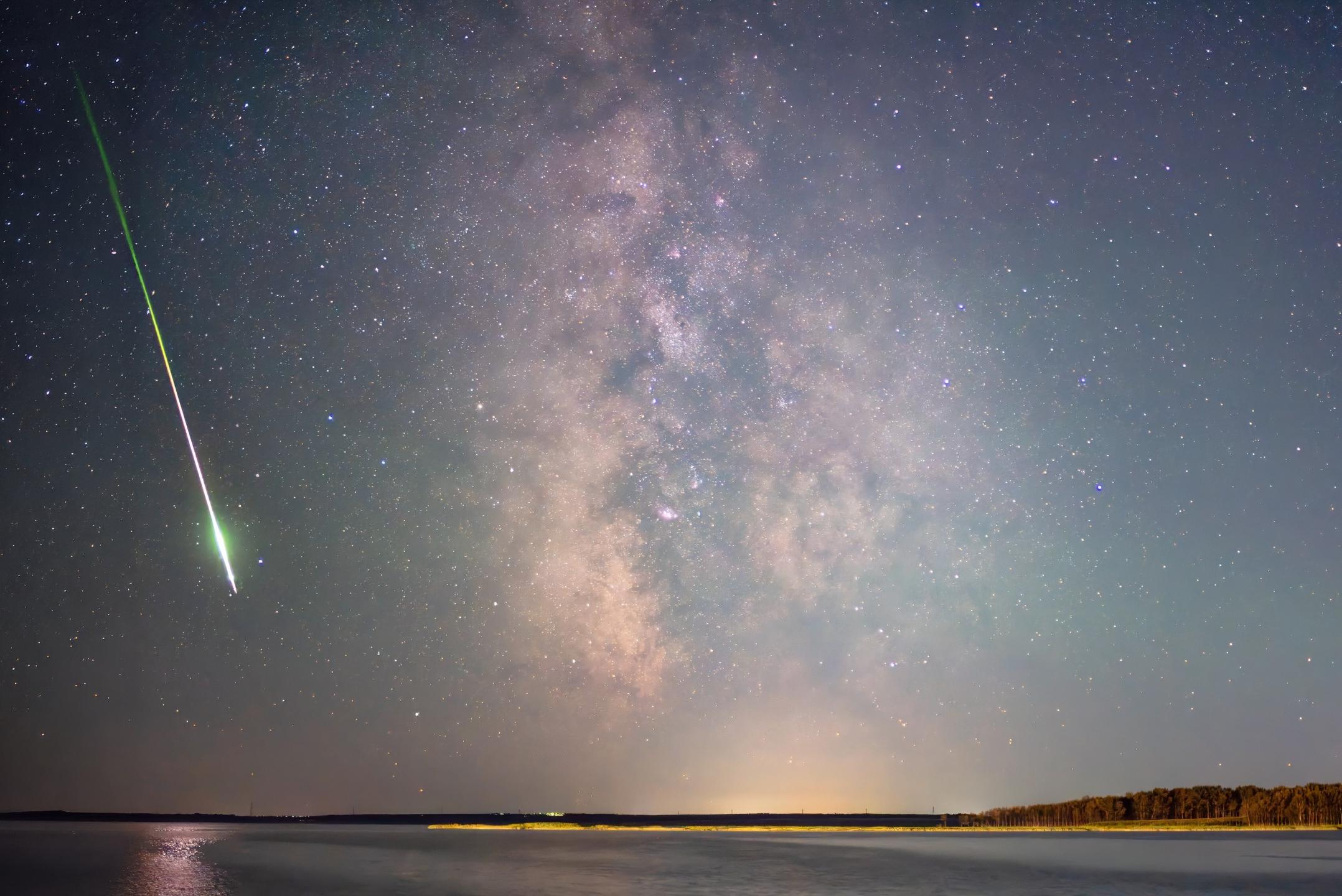
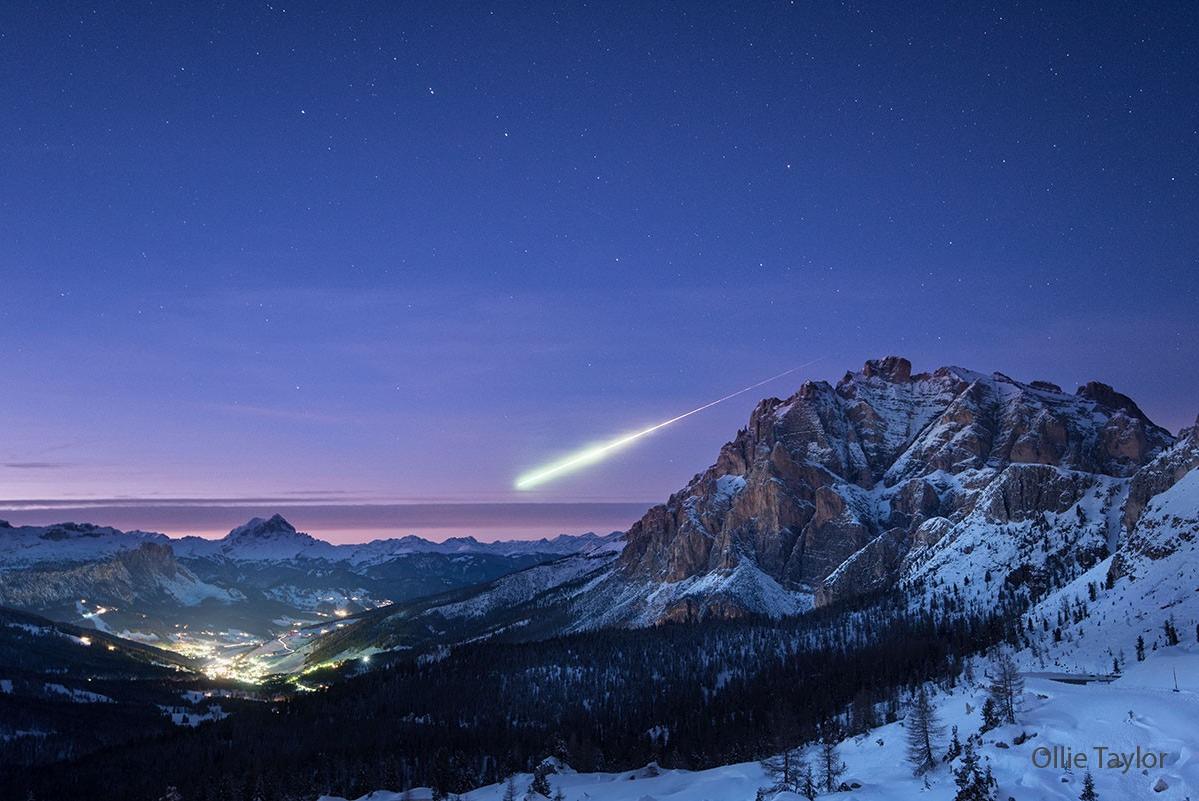
The Northern Taurids produce about five meteors an hour, Lada said. Some are fireballs, exceptionally bright meteors that can briefly rival a full moon in brightness. Not every Taurid meteor reaches that brightness, he said.tech.yahoo.com 1 source for this line, starting with YAHOO!
The shower takes its name from Taurus, the constellation from which its meteors appear to originate, The Weather Channel reports. It has northern and southern branches, named for their apparent positions on either side of the constellation. The Southern Taurids peaked in early November.weather.com+1 2 sources for this line, starting with The Weather Channel
Meteor showers occur when Earth passes through trails of material left by objects orbiting the sun. The Taurids are associated with debris from Comet Encke, Newsweek reports. As that material enters Earth's atmosphere, it burns up and produces streaks of light.newsweek.com 1 source for this line, starting with Newsweek
Cloud cover varies across peak night#
National Weather Service forecasts cited by Newsweek called for clear skies Wednesday night around Scottsdale, Arizona, and Albuquerque, New Mexico. Stafford and the Wichita area in Kansas had mostly clear forecasts, while the outlook around Spencer, Nebraska, was partly cloudy. Newsweek noted that forecasts could change and conditions vary within states.newsweek.com 1 source for this line, starting with Newsweek
The outlook was less clear around Chicago, where the weather service forecast a chance of rain Wednesday night. In Belleville, Illinois, the forecast called for mostly cloudy skies and a slight chance of thunderstorms that night, according to the National Weather Service St. Louis office.newsweek.com+1 2 sources for this line, starting with Newsweek
Another shower is active this week: the Leonids are due to peak November 16-17, Gulf Coast News and Weather reports. The outlet says skywatchers could see up to 15 meteors an hour, appearing to radiate from the constellation Leo.gulfcoastnewsnow.com 1 source for this line, starting with gulfcoastnewsnow.com