The Taurids have extended peaks#
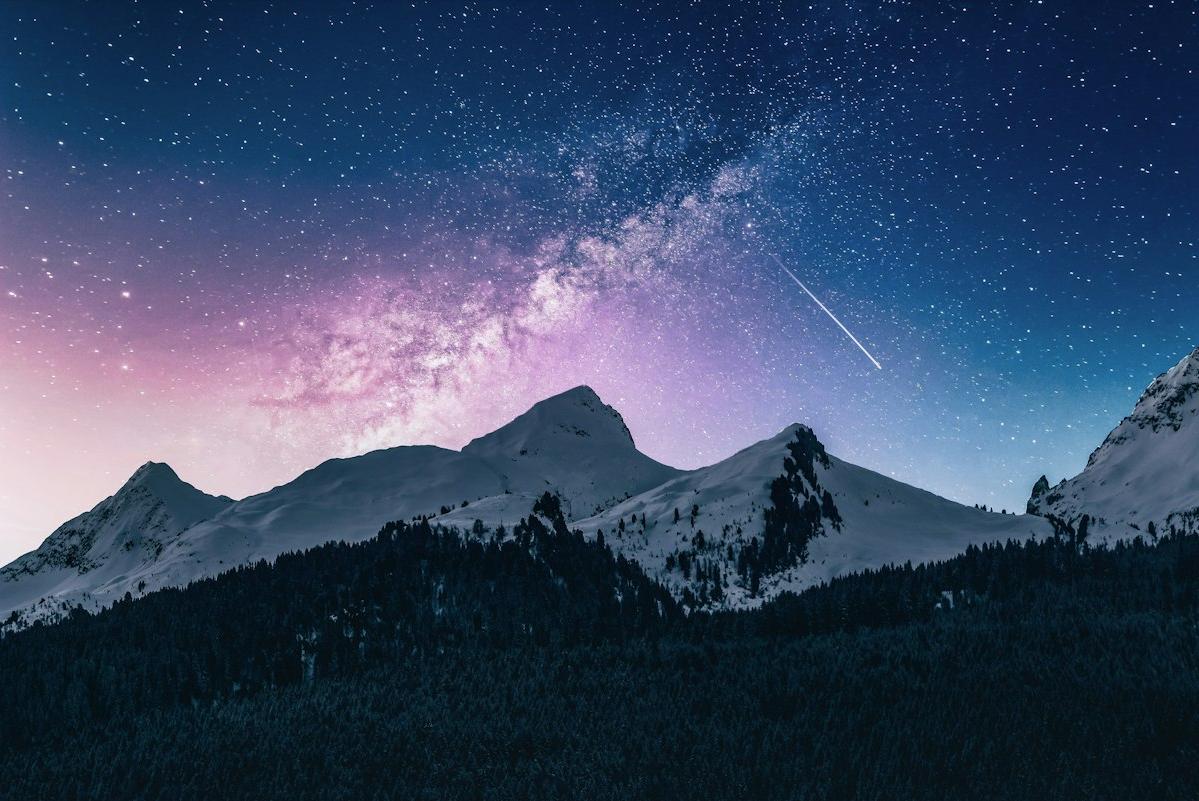
The Southern Taurids are expected to peak around November 4-5, with the Northern Taurids following around November 11-12, Secret Los Angeles reports. Yahoo notes that each shower has an extended peak lasting around a week, rather than a sharp peak of only a night or two.secretlosangeles.com+1 2 sources for this line, starting with Secret Los Angeles
Each Taurid shower produces about five meteors per hour, according to Yahoo. National Geographic reports that the two showers coincide with a dim moon this year, reducing the amount of moonlight during their peaks.tech.yahoo.com+1 2 sources for this line, starting with YAHOO!
The two showers are linked to debris from the Taurid complex, which includes material from Comet 2P/Encke, Secret Los Angeles reports. The Taurids take their name from Taurus, the constellation where their meteors appear to originate, according to Wikipedia.secretlosangeles.com+1 2 sources for this line, starting with Secret Los Angeles
- secretlosangeles.comThe Taurid Meteor Shower could bring bright Halloween fireballs to California’s skies this weekend(opens in a new tab)
- tech.yahoo.comThree meteor showers peak in November before the first supermoon of 2026.(opens in a new tab)
- nationalgeographic.com8 Night Sky Events to See in November, From a Supermoon to 3 Meteor Showers(opens in a new tab)
- en.wikipedia.orgTaurids(opens in a new tab)
The Leonids follow in mid-November#
The Leonids begin on November 6 as Earth passes through debris from Comet 55P/Tempel-Tuttle, WXII reports. The station says the peak on November 16-17 could bring as many as 15 meteors per hour.wxii12.com 1 source for this line, starting with WXII
The Leonids have produced far larger displays in the past. The American Meteor Society lists meteor storms in 1833, 1866, 1966, 1999, 2001 and 2002, Yahoo reports. Those storms produced thousands of meteors per hour, well above the shower's typical rate.tech.yahoo.com 1 source for this line, starting with YAHOO!
Later in November, the first of three consecutive supermoons rises, according to Yahoo. A supermoon is a full or new moon that nearly coincides with the moon's closest point to Earth in its orbit, Wikipedia says. The term has astrological origins and no precise astronomical definition.tech.yahoo.com+1 2 sources for this line, starting with YAHOO!