Why november's full moon looks bigger#
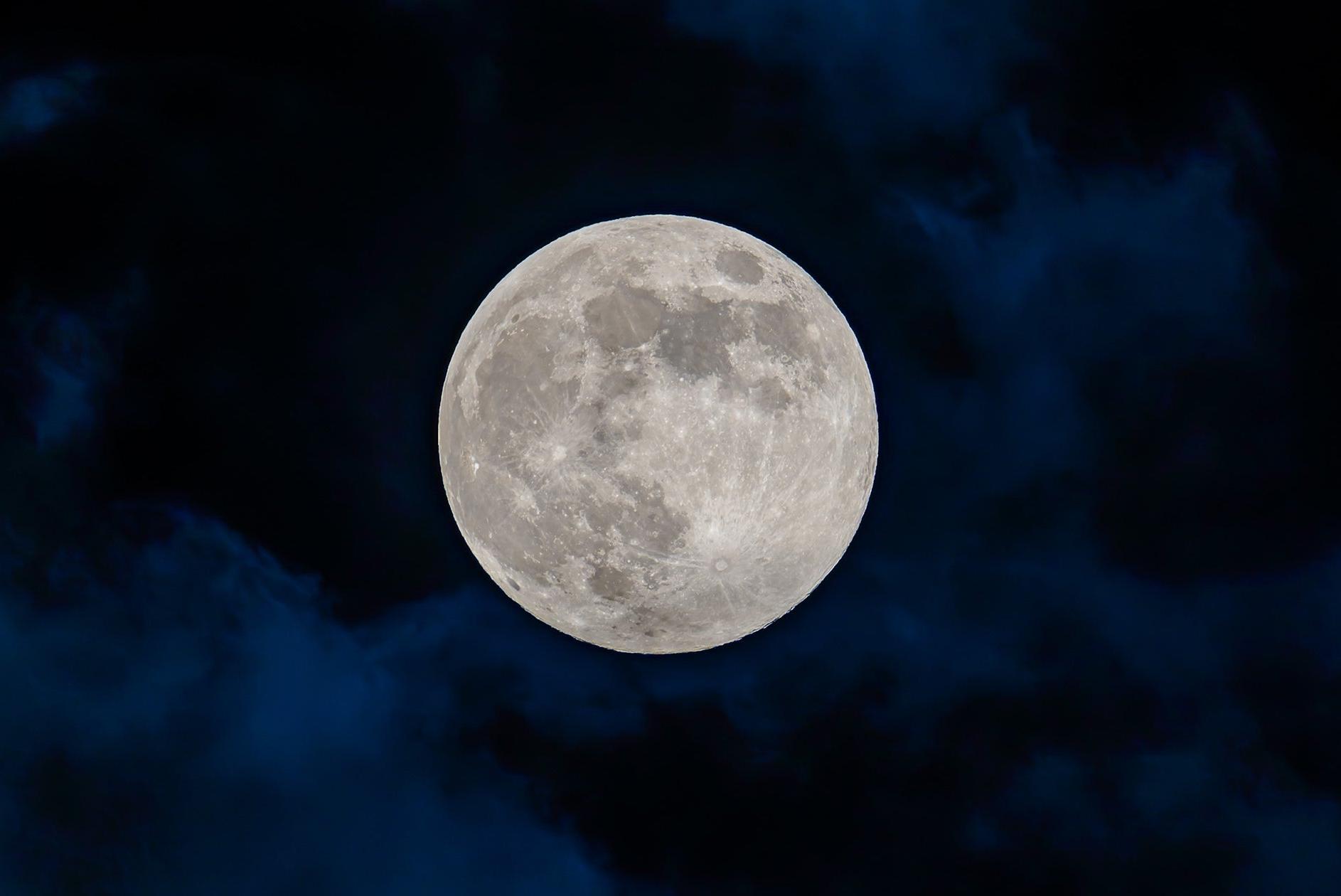
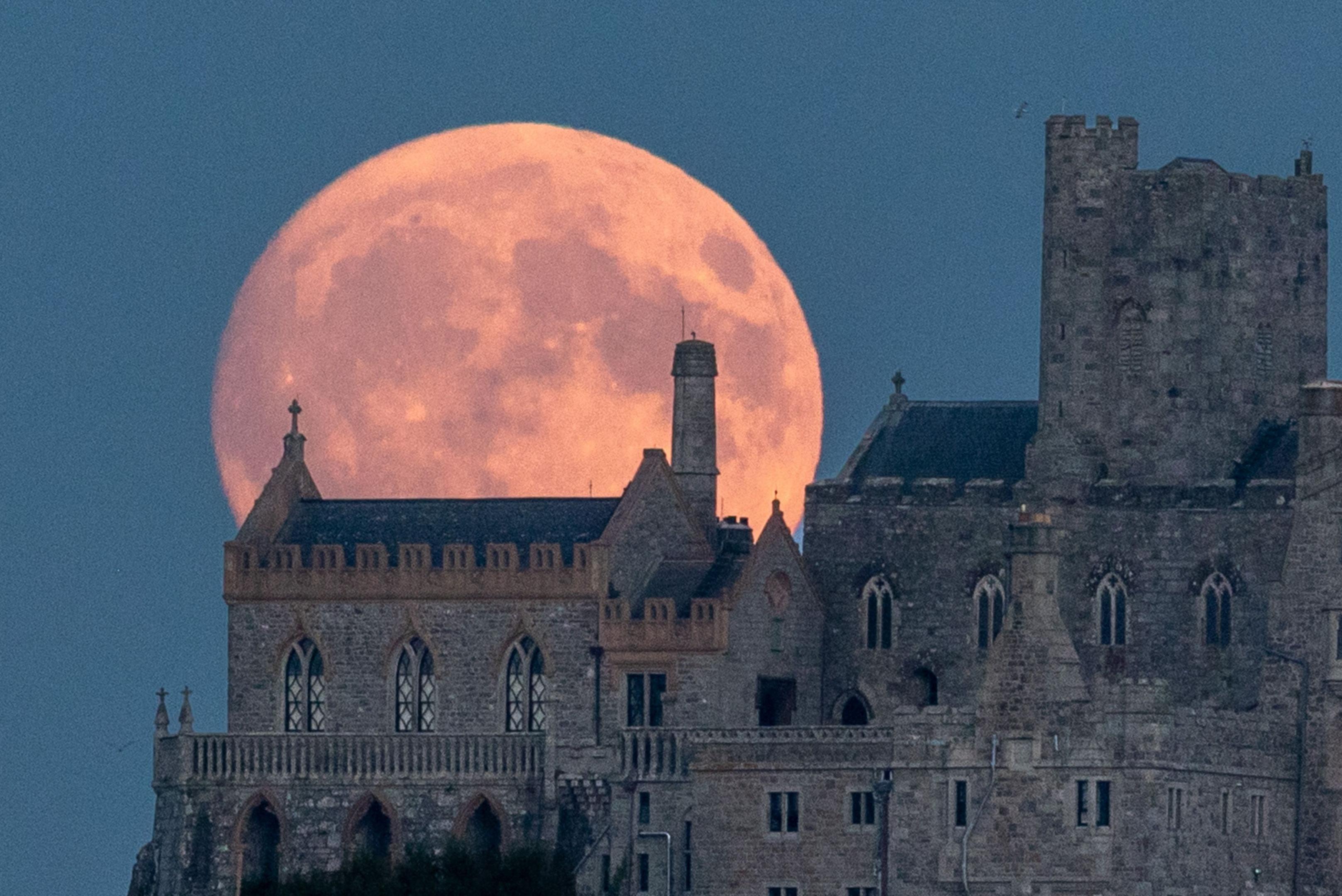
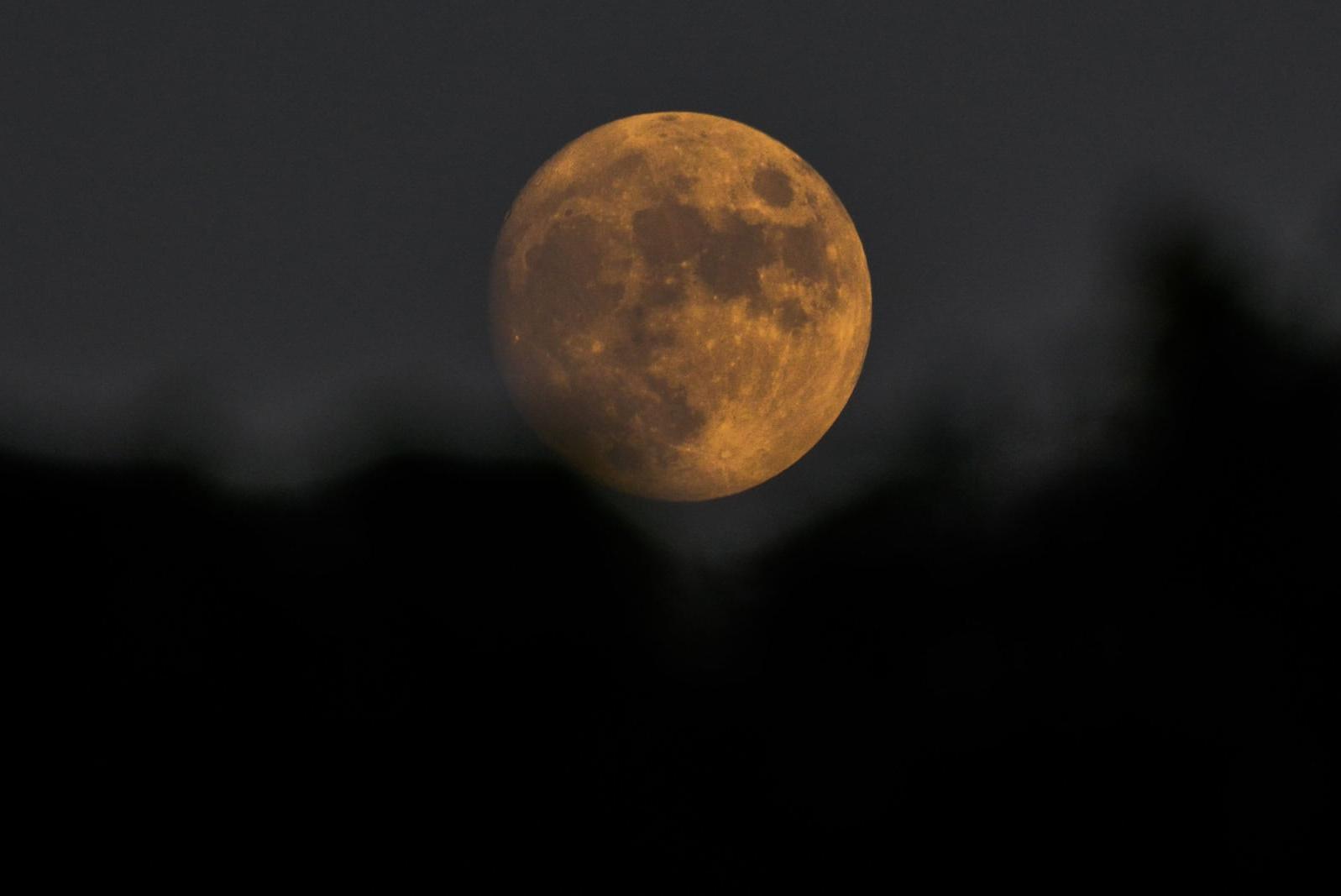
November's full moon carries the name beaver moon because it falls during the season when these industrious dam-building mammals prepare for winter, CNN reports. Petro said the November full moon would look noticeably bigger and brighter than the year's smallest full moon, adding, "folks who pay regular attention to full moons will notice the difference."cnn.com 1 source for this line, starting with CNN
The moon's orbit is elliptical rather than circular, so its distance from Earth varies, said Kevin Lewis, vice chair and professor of Earth and planetary sciences at Johns Hopkins University, in CNN's report. Lewis explained that the lunar orbital period and the cycle of phases run close enough in length that a full moon can land near perigee several months running, which lets supermoons occur back to back.cnn.com 1 source for this line, starting with CNN
Time Magazine reports that the moon's perigee, its closest approach, is about 223,000 miles away, while its apogee, the farthest point, is about 252,000 miles, with an average distance of roughly 239,000 miles. A full moon at apogee, called a micromoon, appears about 7% smaller than an average full moon and 14% smaller than a supermoon, which can be up to 30% brighter than a micromoon, according to Time.time.com 1 source for this line, starting with Time Magazine
A skeptic's take and a close pass by the pleiades#
Not everyone is impressed by the supermoon label. Astronomer Neil deGrasse Tyson posted on X in 2022 that a full moon described as the year's largest was only 8% larger than average, comparing the difference to a 16-inch pizza versus a 15-inch one, Time Magazine reports.time.com 1 source for this line, starting with Time Magazine
Before dawn on Nov. 24, the full moon passed through the Pleiades star cluster in Taurus, occulting several of its bright stars, Astronomy Magazine reports. The timing varied by location, and the outlet noted that East Coast observers may have only seen the moon approaching the cluster, since the event began around sunrise there.astronomy.com 1 source for this line, starting with Astronomy
What comes after the beaver moon#
Outlets differ on how many supermoons follow this one. Yahoo reports four consecutive supermoons, naming November's beaver moon, January's wolf moon peaking Jan. 22, 2027, and February's snow moon peaking Feb. 20, 2027, while Time Magazine counts three, with the next two peaking on Christmas Eve and Jan. 22.yahoo.com+1 2 sources for this line, starting with Yahoo

In Kentucky, AccuWeather forecast clear skies Monday night with a low around 30 degrees Fahrenheit and partly cloudy conditions Tuesday with a low around 34, according to Yahoo News Canada, which added that the moon was set to rise over Lexington at 5:09 p.m. Tuesday.ca.news.yahoo.com 1 source for this line, starting with Yahoo News Canada
- yahoo.comNovember gives us the first of four supermoons. Does it rise tonight?(opens in a new tab)
- time.comA beaver supermoon rises over Thanksgiving week, first of three or four in a row(opens in a new tab)
- ca.news.yahoo.comKentucky stargazers can see a supermoon tonight. Here’s the best time to look(opens in a new tab)