The trial paired meditation with stimulation#
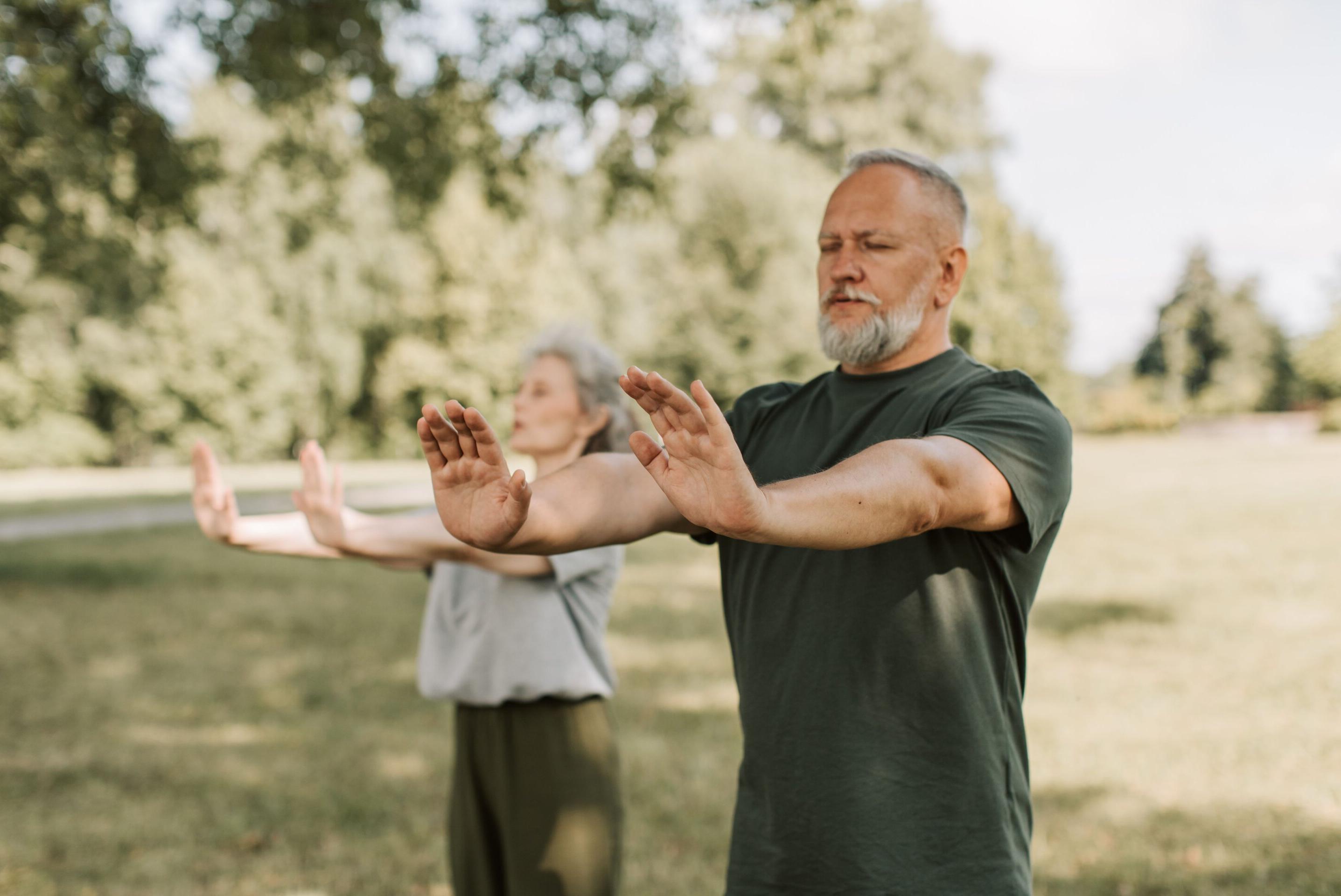
The researchers focused on inhibitory control under negative affect, or negative emotions, which they identified as a factor in the maintenance of alcohol use disorder, Bioengineer.org reports. The comparison was between mindfulness meditation alone and meditation combined with stimulation.bioengineer.org 1 source for this line, starting with Bioengineer.org
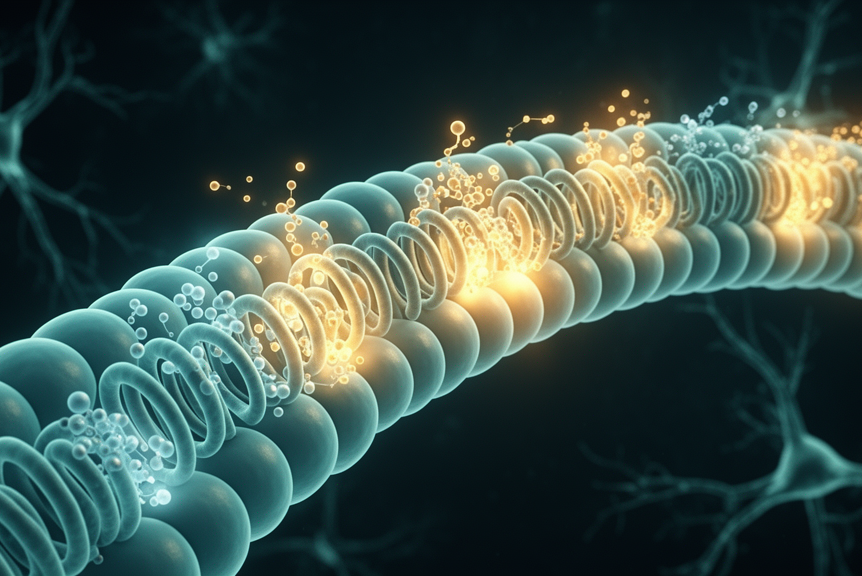
The technique used in the trial is called transcutaneous auricular vagus nerve stimulation, or taVNS. Wikipedia describes this form of stimulation as noninvasive and delivered through the skin to a branch of the vagus nerve. Bioengineer.org says the researchers were interested in connections between the brain and heart.bioengineer.org+1 2 sources for this line, starting with Bioengineer.org
Mindfulness involves deliberately attending to present sensations, feelings, thoughts and surroundings without judgment, according to Wikipedia. Bioengineer.org reports that the researchers chose to study the combination because results from mindfulness meditation vary among individuals.bioengineer.org+1 2 sources for this line, starting with Bioengineer.org
Other trials examine separate approaches#
A separate randomized trial led by researchers at the Icahn School of Medicine at Mount Sinai examined a mindfulness-based therapy alongside medication for opioid use disorder, Newswise reports. That study looked at responses to drug-related cues and natural rewards, rather than the alcohol trial's measure of inhibitory control.bioengineer.org+1 2 sources for this line, starting with Bioengineer.org
The therapy in the opioid study combines mindfulness with changing how a person interprets drug-related triggers and paying attention to positive everyday experiences, according to Newswise. Study co-author Eric L. Garland of the University of California San Diego developed the approach.newswise.com 1 source for this line, starting with Newswise
Vagus nerve stimulation is also being studied for a different condition at the Feinstein Institutes for Medical Research at Northwell Health. The Long Island Press reports that a trial led by Dr. Cynthia Aranow is examining whether noninvasive stimulation can reduce lupus symptoms, including pain and fatigue. Aranow said the trial was 50% enrolled.longislandpress.com 1 source for this line, starting with Long Island Press
- bioengineer.orgA trial links nerve stimulation and mindfulness to greater gains in inhibitory control(opens in a new tab)
- newswise.comMindfulness-Based Therapy May Change Brain Responses to Drug Cues in People With Opioid Use Disorder, Mount Sinai Study Finds(opens in a new tab)
- longislandpress.comClinical trial studies whether lupus can be treated through vagus nerve stimulation(opens in a new tab)