The trial compared yoga with a waiting list#
UA.News reports that the university trial in Pune took place between October 2023 and January 2025. The waiting-list group received general advice to remain physically active, with a chance to take up yoga after the study.ua.news 1 source for this line, starting with UA.NEWS
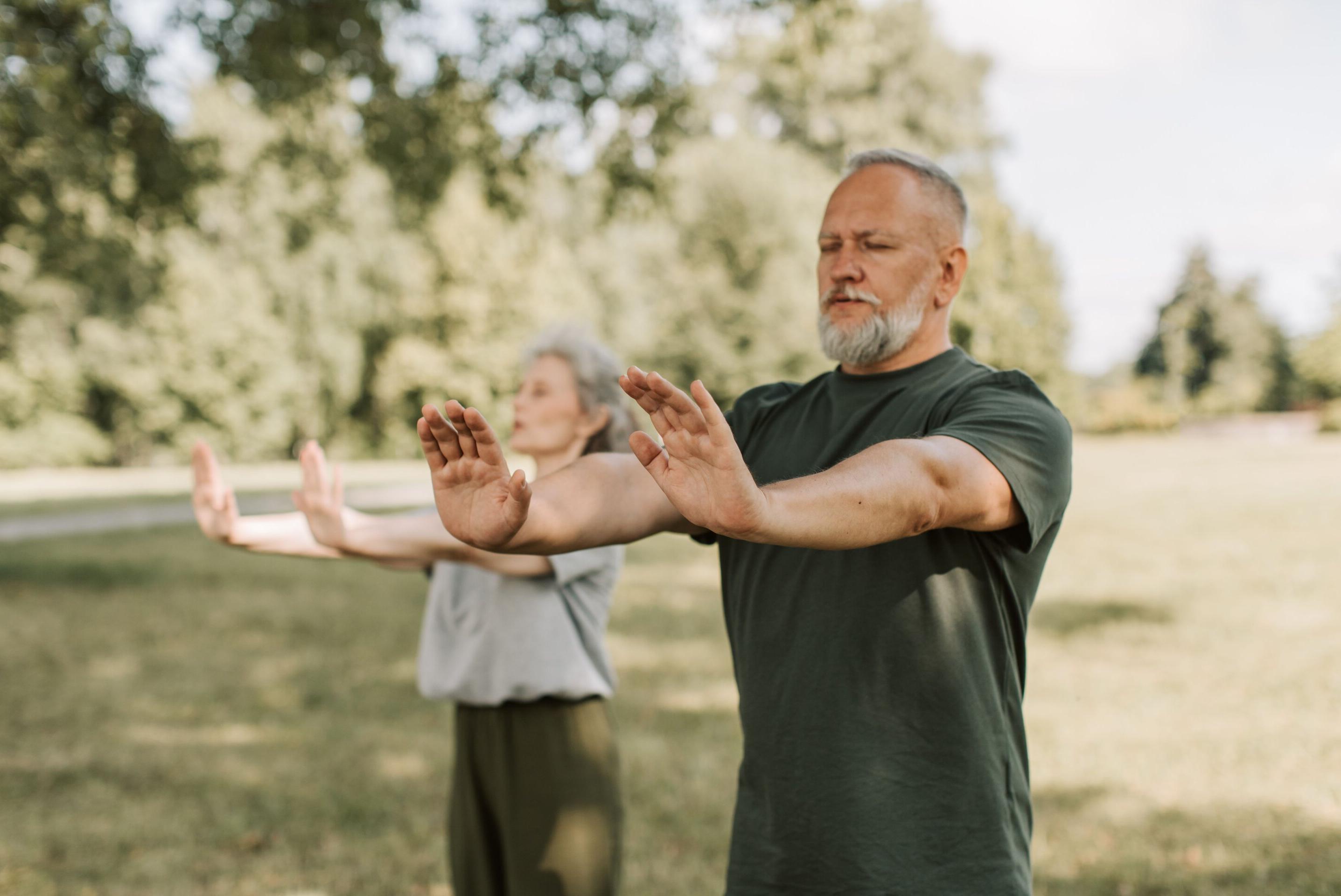
According to UA.News, a single instructor led the standardized program, with sessions averaging 50 minutes. The routine included a warm-up, yoga postures known as asanas, breathing, meditation and guided yoga nidra relaxation. News-Medical identifies the routine as the Common Yoga Protocol.ua.news+2 3 sources for this line, starting with UA.NEWS
Mood was the trial's primary measure, assessed with the Positive and Negative Affect Schedule, UA.News reports. Participants also rated their sleep and took tests of short-term memory and information-processing speed.ua.news 1 source for this line, starting with UA.NEWS
- ua.newsA yoga trial in India found differences in mood and sleep scores(opens in a new tab)
- news-medical.netScientists scanned people's brains before and after 45 days of yoga. Here's what changed(opens in a new tab)
- alittlesparkofjoy.com29 Best Yoga Books to help deepen your mind and practice(opens in a new tab)
Scores differed across several measures#
UA.News reports that, after adjustment for starting scores, the yoga group scored about four points higher on positive affect and 3.5 points lower on negative affect than the waiting-list group. Its score for sleep quality was approximately 1.2 points lower, a result indicating better self-reported sleep.ua.news 1 source for this line, starting with UA.NEWS
On a number-sequence test, the yoga group did better at recalling digits in their original order and received a higher overall score, UA.News reports. The groups did not differ on the reverse-order task or the symbol matching test.ua.news 1 source for this line, starting with UA.NEWS
According to News-Medical, scans also showed differences in how several brain networks functionally connected in the yoga group. The outlet says comparisons with earlier research are difficult because studies used different yoga styles and assessment methods. Randomized brain-imaging studies of the standardized protocol remain limited.news-medical.net 1 source for this line, starting with News-Medical
In separate research, Science Daily reports that Florida International University researchers analyzed 57 brain-imaging studies of adults with sleep disorders. The analysis compared conditions including insomnia and sleep apnea with disorders involving unusual events during sleep, such as sleepwalking.sciencedaily.com 1 source for this line, starting with ScienceDaily
- ua.newsA yoga trial in India found differences in mood and sleep scores(opens in a new tab)
- news-medical.netScientists scanned people's brains before and after 45 days of yoga. Here's what changed(opens in a new tab)
- sciencedaily.comScientists discover hidden brain changes linked to common sleep disorders(opens in a new tab)