

The Taurids have two overlapping displays#
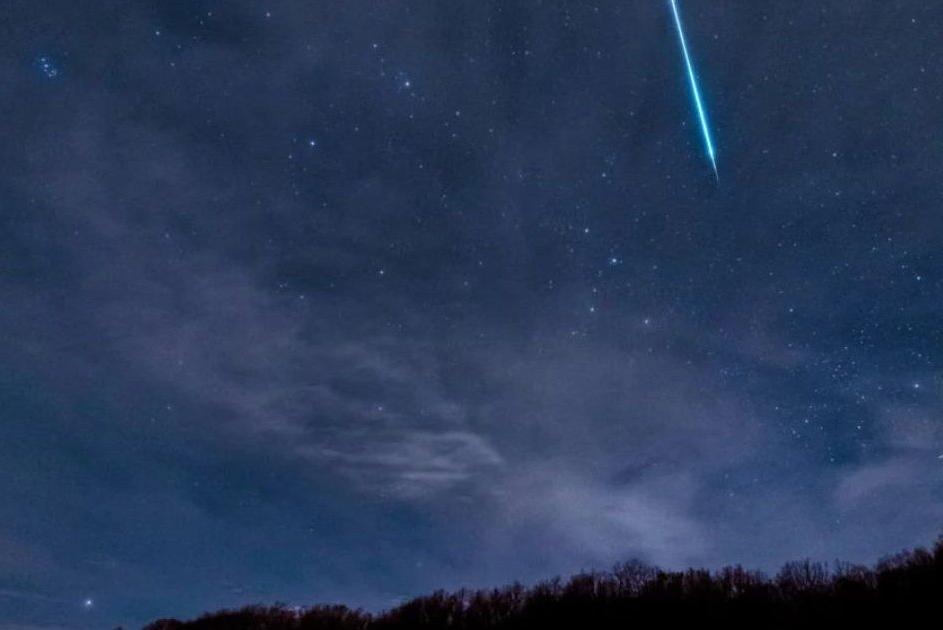
The Southern Taurids also peaked around October 14 and remain active until November 20, according to Yahoo. The Northern Taurids stay active until December 10. In ideal conditions, each display typically yields only a few meteors an hour, but those meteors can be particularly bright.tech.yahoo.com 1 source for this line, starting with YAHOO!
The Taurids take their name from Taurus, the constellation in the direction from which the meteors appear to come, according to Wikipedia. Yahoo reports that the shower occurs as Earth passes through debris left by Comet 2P/Encke. The debris stream is spread out, producing the two segments.tech.yahoo.com+1 2 sources for this line, starting with YAHOO!
The Leonids return in mid-November, with the mornings of November 17 and 18 listed for meteor watching, Farmers' Almanac reports. The publication notes that meteor maxima are forecasts rather than fixed appointment times and that the Taurids have broad periods of activity.farmersalmanac.com 1 source for this line, starting with Farmers' Almanac
Four planets appear before dawn#
Mercury, Venus, Jupiter and Mars form a line stretching upward from the horizon before dawn from mid-November, according to BBC Sky at Night Magazine. Mercury appears lowest, toward the southeast, while Venus is higher and brighter. Mars is the highest of the four planets.skyatnightmagazine.com 1 source for this line, starting with BBC Sky at Night Magazine
Mars and Jupiter reach their closest apparent approach on November 14 to 17, BBC Sky at Night Magazine reports. Mars passes around a degree north of Jupiter. Farmers' Almanac lists November 15 and 16 as a window for seeing the pair close together before dawn.skyatnightmagazine.com+1 2 sources for this line, starting with BBC Sky at Night Magazine
- skyatnightmagazine.comHow to see the planet alignment, November–December 2026(opens in a new tab)
- skyatnightmagazine.comNovember 2026 stargazing roundup – supermoon, bright planets and meteor showers(opens in a new tab)
- farmersalmanac.comNovember 2026 Night Sky: A Beaver Supermoon, Shooting Stars, and Two Planets Together(opens in a new tab)
The Beaver supermoon arrives November 24#
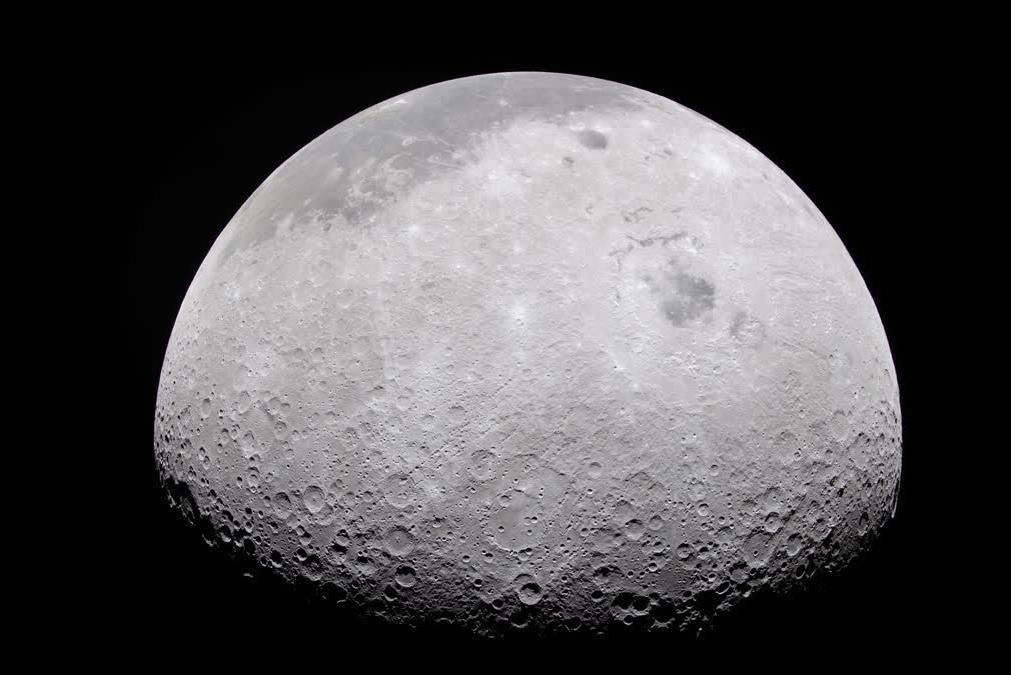
The November full moon is known as the Beaver Moon because beavers are active preparing for winter at that time, BBC Sky at Night Magazine reports. The magazine calls it a supermoon because the full moon coincides with the point in its orbit closest to Earth, making it appear bigger and brighter than other full moons of the year.skyatnightmagazine.com 1 source for this line, starting with BBC Sky at Night Magazine
Farmers' Almanac lists the full moon for November 24 at 9:53 a.m. EST / 14:53 UTC. It also lists the evenings of November 23 and 24 for the nearly full and full Beaver Moon, around local moonrise and during the following evening hours.farmersalmanac.com 1 source for this line, starting with Farmers' Almanac