The review covered varied programs#
Researchers searched eight databases through January 2026, according to the European Medical Journal. Of the 39 studies included, 18 came from the United States and 24 were randomized controlled trials, in which participants were assigned to different groups.emjreviews.com 1 source for this line, starting with emjreviews.com
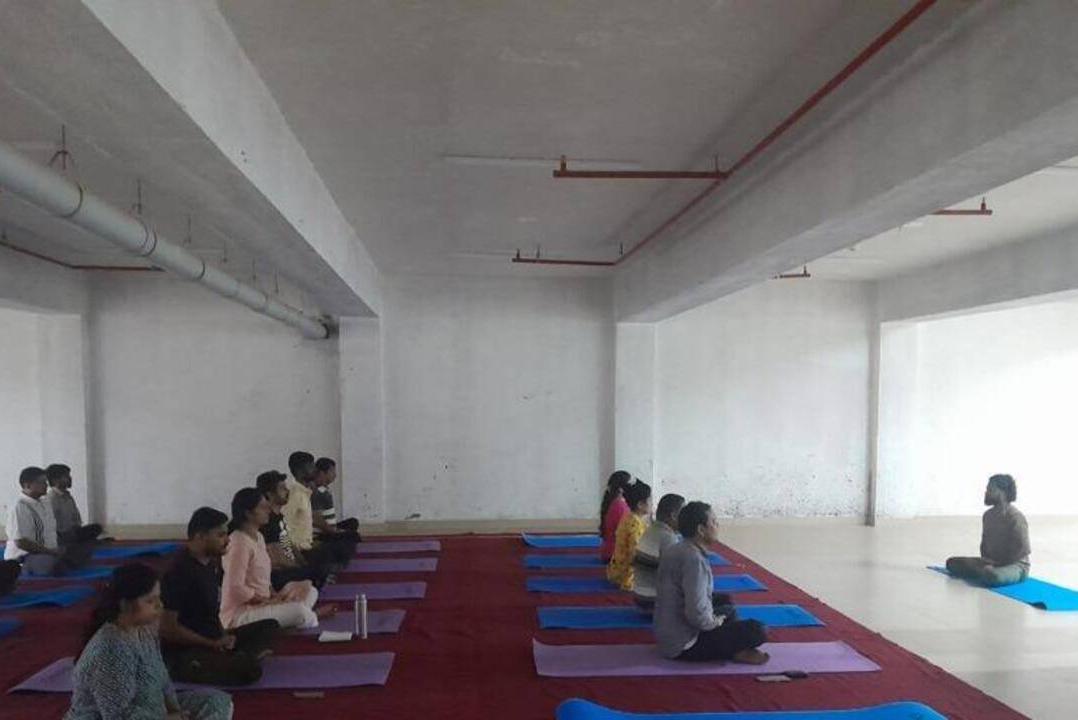
Mindfulness-based stress reduction was the most common program, usually lasting six to eight weeks. Some programs were offered online or in hybrid formats, the European Medical Journal reported. Mindfulness involves intentionally attending to present sensations, thoughts and surroundings without judgment, according to Wikipedia.emjreviews.com+1 2 sources for this line, starting with emjreviews.com
Differences in program formats, duration and comparison measures limit the ability to apply a broad approach across populations, Udaipur Kiran reported. The review also found that relatively few studies examined sleep alongside physical symptoms and biological markers.udaipurkiran.com 1 source for this line, starting with Udaipur Kiran
Sleep measures produced uneven results#
Some studies recorded improvements within the mindfulness group but found no difference when that group was compared with another, the European Medical Journal reported. Results from actigraphy, an objective sleep measure, varied more than results from questionnaires.emjreviews.com 1 source for this line, starting with emjreviews.com
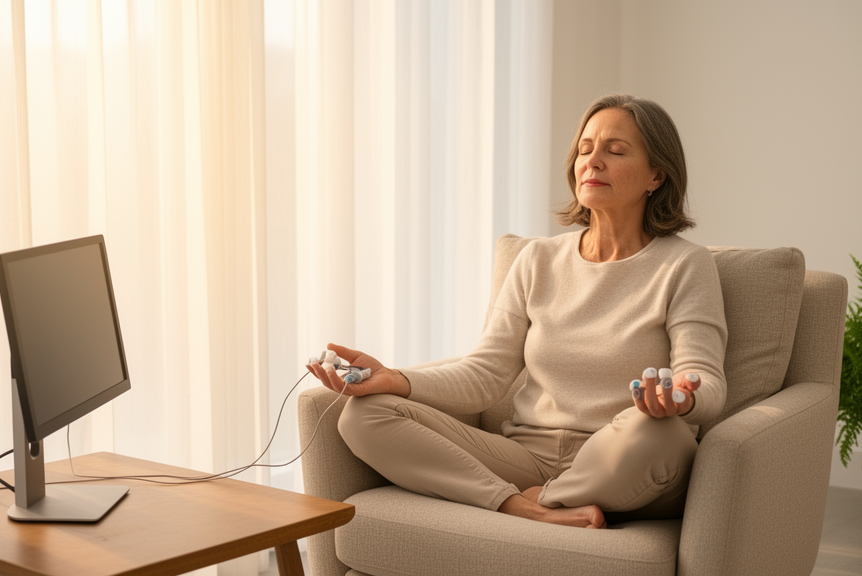
Fatigue was the physical symptom assessed most often and frequently improved alongside sleep, according to the European Medical Journal. Pain findings varied. Biological markers, including cortisol and heart rate variability, were assessed in only a few studies, with inconsistent results.emjreviews.com 1 source for this line, starting with emjreviews.com
In a separate trial involving 113 older male cancer survivors, sleep scores did not differ significantly among three groups at the main assessment three months after the programs ended, Medical Xpress reported. One group took part in tai chi qigong, a program combining breathing, movement and guided relaxation.medicalxpress.com 1 source for this line, starting with Medical Xpress
The European Medical Journal reported that the review's authors called for standardized trials designed around possible mechanisms. The proposed research would examine which forms of mindfulness are suited to different groups of women.emjreviews.com 1 source for this line, starting with emjreviews.com