Pain and disability scores differed#
The analysis of headache frequency drew on six studies, Bioengineer.org reports. Across those studies, the combined results did not show a statistically significant difference between people in the intervention groups and those in the control groups.bioengineer.org 1 source for this line, starting with Bioengineer.org
For pain intensity, the combined results from three studies favored the intervention groups. Bioengineer.org reports a standardized mean difference of -0.39, a measure used to compare results across studies, with a 95% confidence interval of -0.64 to -0.14.bioengineer.org 1 source for this line, starting with Bioengineer.org
Six trials also measured headache-related disability using the Headache Impact Test, or HIT-6. The intervention groups scored an average of 2.28 points lower than the control groups, with a 95% confidence interval from -4.47 to -0.08, according to Bioengineer.org.bioengineer.org 1 source for this line, starting with Bioengineer.org
The practices and a planned trial#
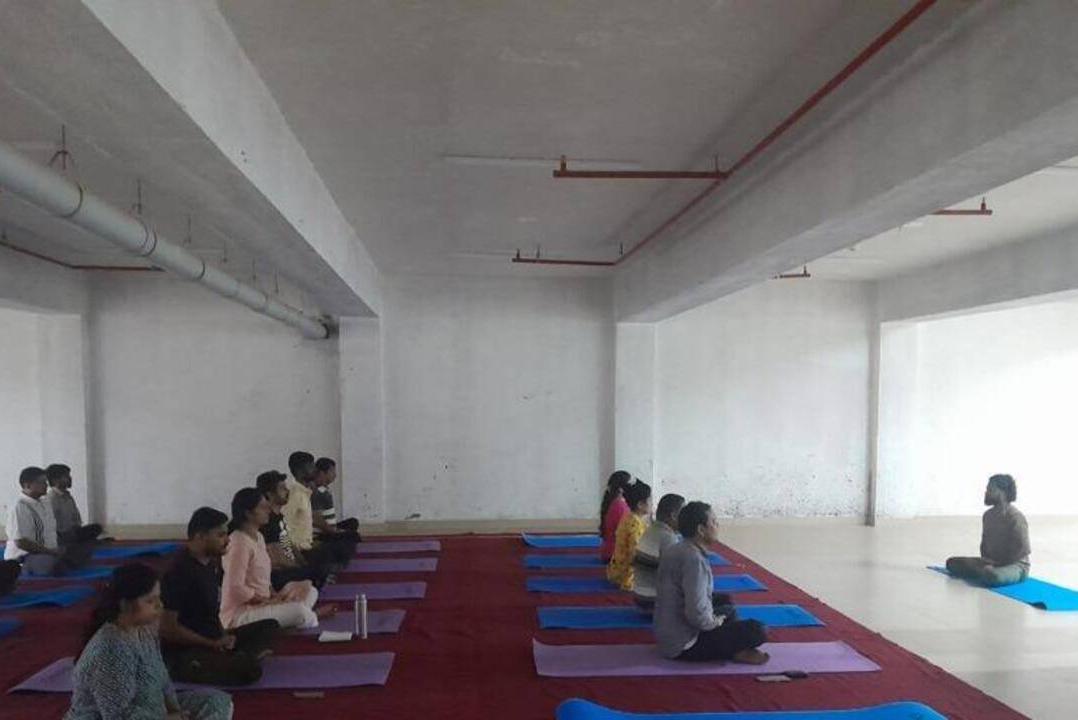
The review examined mindfulness programs and biofeedback, Bioengineer.org reports. Wikipedia describes mindfulness as paying attention to present sensations, feelings, thoughts and surroundings without judgment. Biofeedback uses instruments to make people more aware of bodily functions, with the aim of gaining control over them.bioengineer.org+1 2 sources for this line, starting with Bioengineer.org
Migraine is a neurological disorder that can involve moderate-to-severe headaches, nausea and sensitivity to light and sound, according to Wikipedia. The review assessed adults with migraine, Bioengineer.org reports, and registered its protocol in advance with PROSPERO, an international register of systematic reviews.bioengineer.org+1 2 sources for this line, starting with Bioengineer.org
A separate review of five studies involving 23,702 women found an association between hormone replacement therapy and more frequent migraine attacks among postmenopausal women, Neurology Advisor reports. Stephanie Faubion of The Menopause Society said the findings could be explained by how hormone therapy users differ from nonusers, and that further research is needed.neurologyadvisor.com 1 source for this line, starting with Neurology Advisor
Clinical Advisor reports that migraine care includes both acute therapies and preventive strategies. In Salamanca, Spain, researchers have planned a trial of mindfulness training at home using brainwave feedback from an EEG headband, Bioengineer.org reports. The program is intended to supplement standard care for adults with migraine on five to fourteen days each month; no efficacy results are available.clinicaladvisor.com+1 2 sources for this line, starting with Clinical Advisor
- bioengineer.orgA review links mindfulness and biofeedback to lower migraine pain but not fewer attacks(opens in a new tab)
- en.wikipedia.orgMindfulness(opens in a new tab)
- en.wikipedia.orgBiofeedback(opens in a new tab)
- en.wikipedia.orgMigraine(opens in a new tab)
- neurologyadvisor.comHRT Use Linked to Increased Incidence, Frequency, Duration of Migraine(opens in a new tab)
- clinicaladvisor.comCase Study: From Daily Migraine Attacks to Full Remission After 53 Years(opens in a new tab)
- bioengineer.orgEEG Headband Trial Will Test Whether Neurofeedback Mindfulness Can Ease Migraine Burden(opens in a new tab)