Key facts about the Emperor#
Key fact | The Emperor |
|---|---|
Upright | Authority, structure, leadership, discipline, stability |
Reversed | Rigidity, domination, excess control, lack of discipline |
Yes or No | Yes (reversed: no or not yet) |
Number | IV (4) |
Astrological sign | Aries |
Planet | Mars, the ruler of Aries |
Element | Fire |
Hebrew letter | He, in the Golden Dawn system |
Symbolism of the Emperor card#
The Emperor sits on a stone throne carved with four rams' heads, a crowned ruler with a long white beard. He holds a scepter shaped like an ankh in his right hand and an orb in his left, and wears armor under a red robe, with barren mountains behind him.
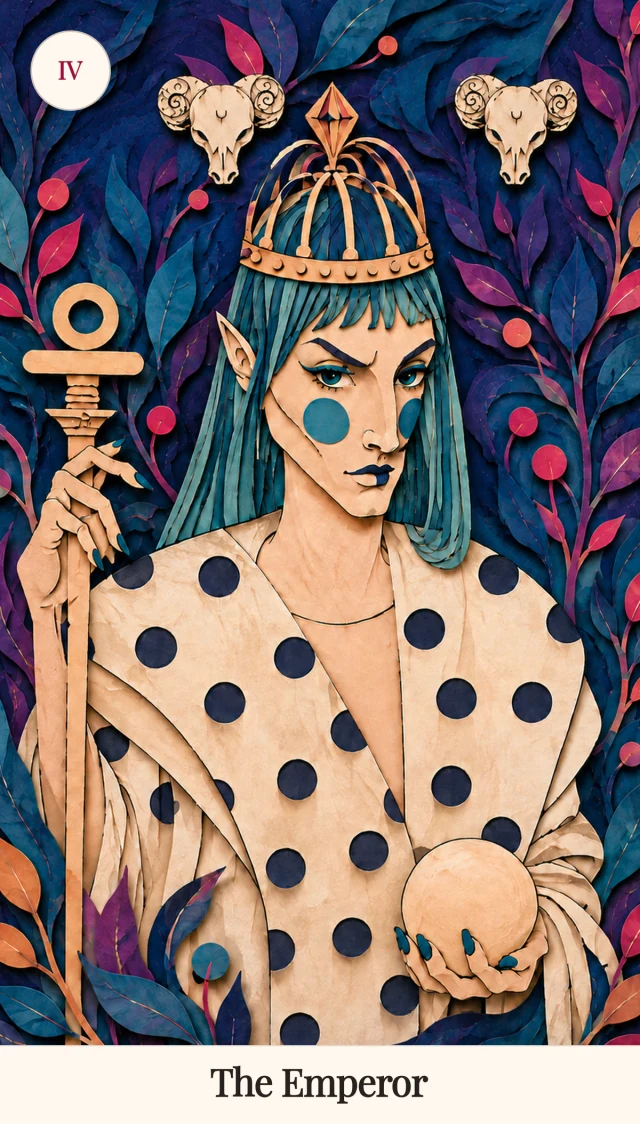
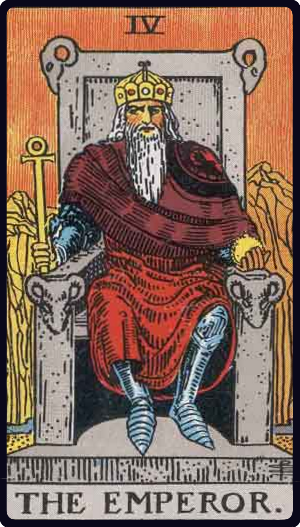
The rams' heads stand for Aries, the sign linked with the card, and its ruling planet Mars. The ankh is the Egyptian symbol of life, and the orb stands for the world he rules. The red robe stands for passion and decisiveness, the armor for protection and the mountains for steadfastness and endurance.
This is the Rider-Waite-Smith card, published in 1909 and drawn by Pamela Colman Smith to A. E. Waite's instructions. Waite's 1910 guide gives the Emperor "a form of the Crux ansata for his sceptre," the handled cross shaped like an ankh, and "a globe in his left hand," on a throne whose arms "are fronted by rams' heads." He calls the figure "executive and realization, the power of this world."
The Emperor tarot card meaning#
Upright, the Emperor is read as authority used well, with a clear plan, firm boundaries and the discipline to follow through. Waite's meanings for the card are "stability, power, protection, realization; a great person; aid, reason, conviction; also authority and will."
The card can describe you taking charge, such as setting the rules for a project, organizing a household or becoming the person others rely on. It can also describe someone else in that role, like a father, a boss, a mentor or an institution whose rules shape your situation.
The Emperor yes or no#
Yes. Upright, the Emperor is a yes, most clearly for questions about plans, leadership, career and committed relationships, because he stands for a solid structure and authority on your side. In love questions, it is a yes to commitment and stability more than to romance.
Reversed, the Emperor leans to no or not yet, because control or a lack of structure is in the way. Dark Forest Tarot Cards reads even the reversed card as a yes, while Deckaura and Google's own summary say no or not yet, and we go with the second. To ask a question of your own, pull a card in our yes or no tarot.
The Emperor reversed#
Reversed, the Emperor points to authority that has turned into control, or to structure that has fallen apart.
The first is too much control. It can describe a boss, partner or parent who dominates instead of guiding, or your own habit of insisting on the last word. Ask who holds the power here, and whether anyone has given theirs away to keep the peace.
The second is too little structure. Plans stall because nobody decides, or because the routine a goal needs is missing. Here the reversed card is a prompt to make a plan you can keep and to take back a responsibility you have been avoiding.
Waite's reversed meanings go another way: "benevolence, compassion, credit; also confusion to enemies, obstruction, immaturity." The first three are close to the opposite of the modern reading, and none of the modern guides we checked follow them.
The Emperor in love#
In love, the Emperor points to a stable, committed relationship with clear intentions, built more on loyalty and shared plans than on grand romance. It can describe a partner who shows care through reliability more than words, or your own wish for firmer ground. Waite writes that the Emperor and the Empress "do not precisely represent the condition of married life, though this state is implied."
If you are single, the Emperor is read as meeting someone dependable and established, or as bringing that steadiness yourself, with clear intentions about what you want.
Reversed in love, the card points to a power struggle, or a partner, possibly you, who makes the decisions and expects the other to adapt. If a partner's control frightens you or cuts you off from the people close to you, reach out to a domestic abuse helpline. To look at a relationship from several sides, lay out one of our tarot love spreads.
The Emperor as feelings and how someone sees you#
As feelings, the Emperor stands for steady, protective feelings that show in actions more than in words. Asked about someone's feelings for you, the card is read as serious, committed interest that shows in steady actions more than in words.
As how someone sees you, the Emperor describes being seen as reliable, capable and in charge, the one who keeps things together and makes others feel safe.
Reversed, the card points to feelings tangled up with control, such as insecurity that comes out as an urge to dominate or to pull back. As how someone sees you, it describes being seen as rigid or hard to reach, someone who decides without asking.
The Emperor in career and money#
At work, the Emperor points to leadership and structure, such as taking charge of a project or a senior colleague whose support counts, and it stands for planning and clear roles. Reversed, it points to a rigid or bureaucratic workplace, a boss who micromanages, or your own plans stalling for lack of discipline.
In money readings, the Emperor stands for discipline, a budget kept and spending you can account for. Reversed, it points to money that feels out of control, or held so tightly that nothing can change.
Emperor health and spiritual meaning#
In a health reading, the Emperor points to routine and self-discipline, and sometimes to a schedule so strict that rest gets pushed aside. Talk to a doctor about any symptom that worries you.
Spiritually, the card stands for discipline in practice, the steady routine that keeps a meditation or study habit going. Reversed, it warns against rules followed without understanding, or spiritual authority used to control.
The Emperor in astrology and numerology#
In astrology the Emperor is linked with Aries, a cardinal fire sign ruled by Mars, which adds initiative and power to the card. The Hermetic Order of the Golden Dawn, which Waite and Smith both belonged to, paired it with Aries and the Hebrew letter He. Our Aries horoscope reads the sign's sky each day.
As card IV, the Emperor carries the number four, read in tarot numerology as foundation, order and stability. Read the other way, four is complacency, a life so settled that it goes flat.
The Emperor in the past, present and future#
In the past position, the Emperor is a period shaped by authority, such as a parent or an institution whose rules you still carry. In the present, it calls for a plan or a decision. In the future position, it points to a more settled phase or a role with more responsibility.
As an outcome, the upright card is read as a result built on planning and steady effort. Reversed, it is read as an approach too rigid to work, or an authority figure in the way.
The Emperor tarot card combinations#
The card beside the Emperor shows where his authority is being used or tested.
The Emperor and Strength#
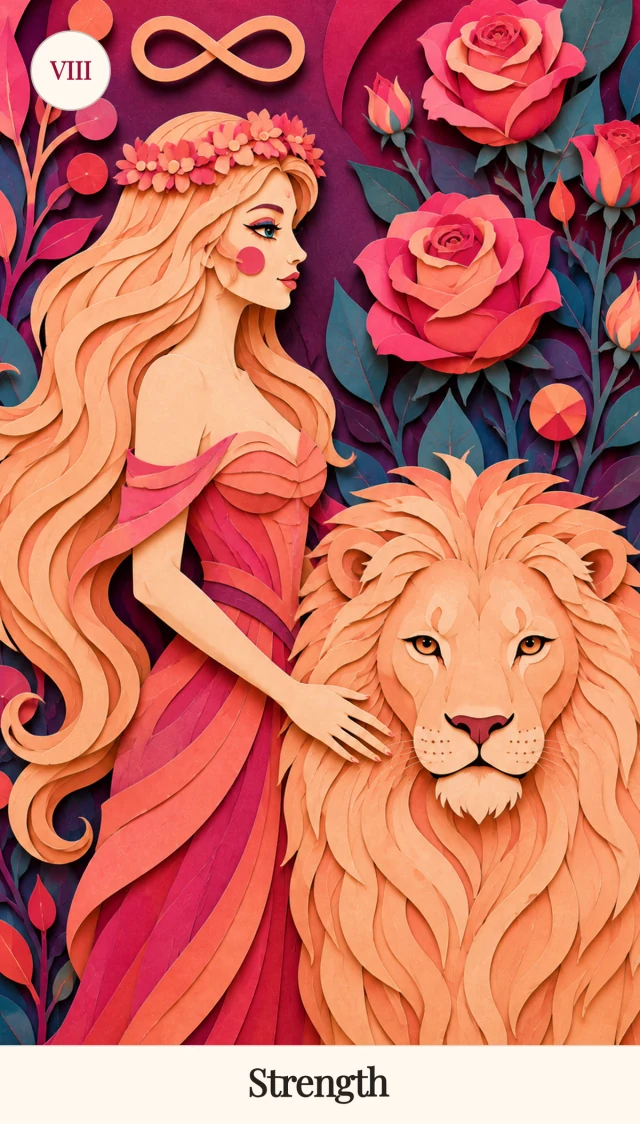
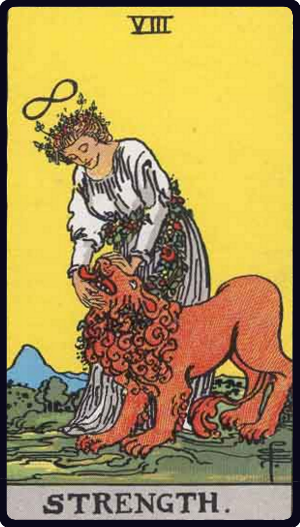
Together, the Emperor and Strength are read as willpower and perseverance doubled, authority backed by inner courage.
The Emperor and the Devil#
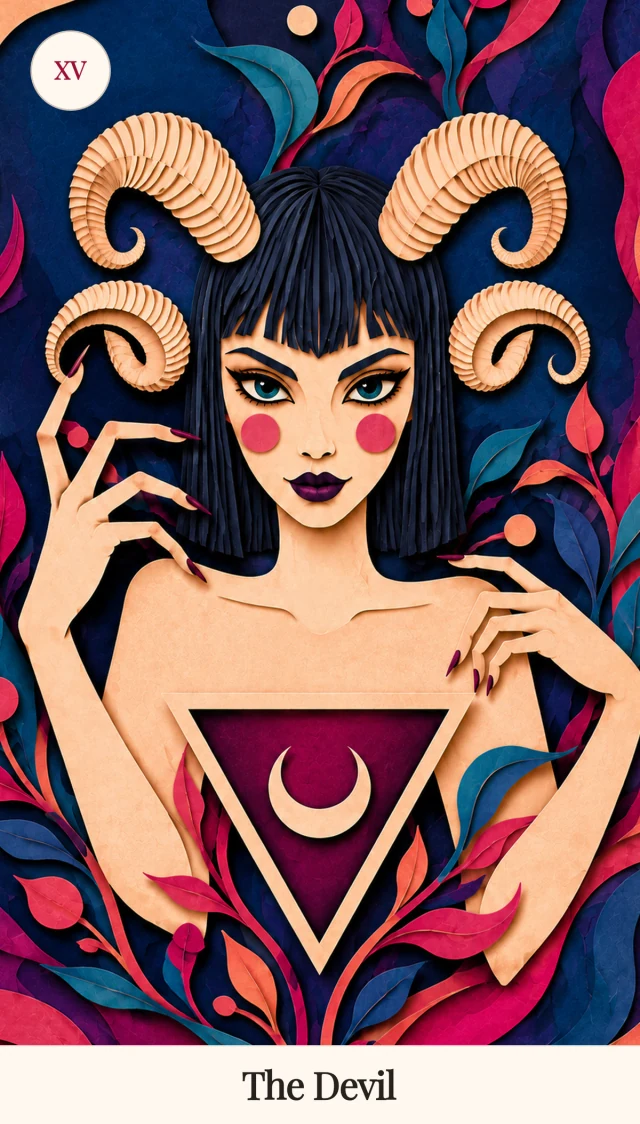
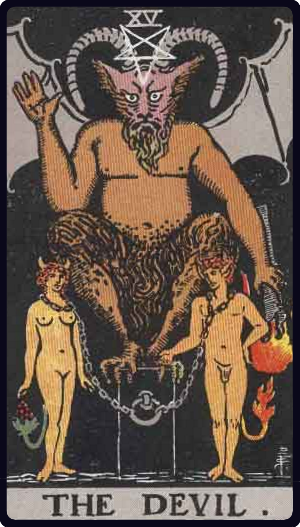
With the Devil, the Emperor is read as power used badly, a relationship or workplace where one person abuses their power over the other.
The Emperor and the Star#
The Emperor with the Star is read as hope backed by a plan, and a wish to be recognized for your work.


The Emperor and Justice#
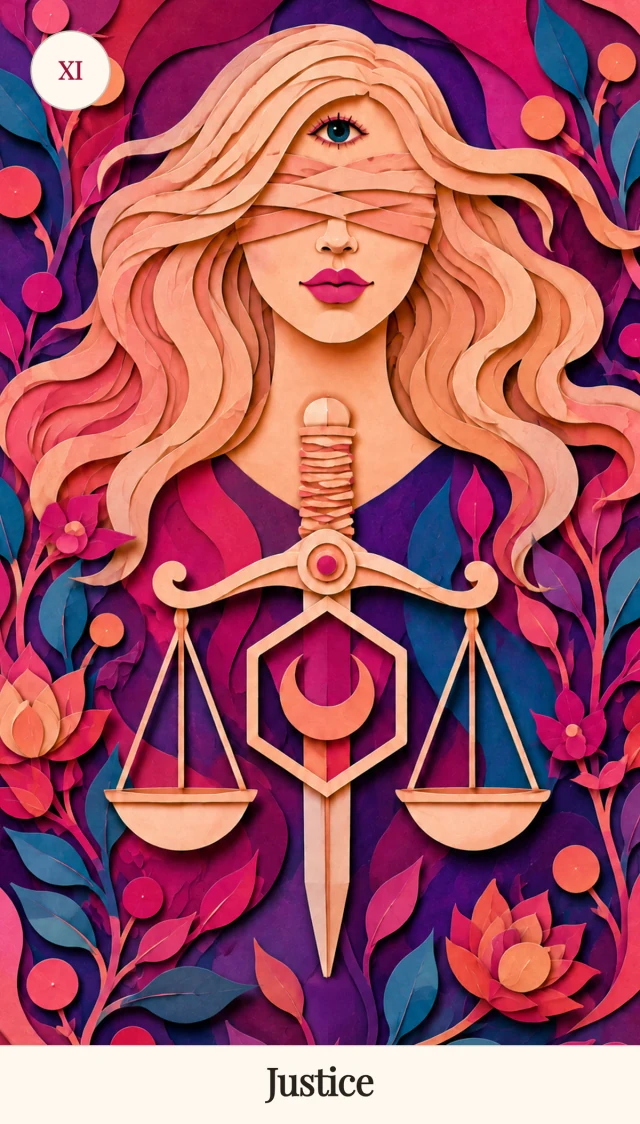
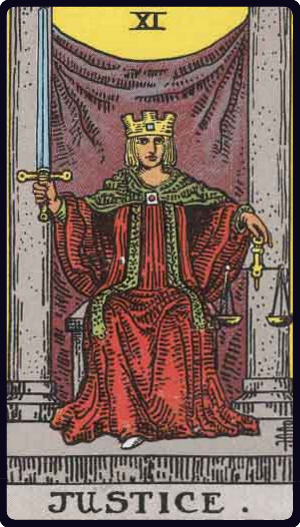
Together, the Emperor and Justice are read as law, rules and institutions, such as contracts, official decisions and anyone with authority over them.
The Emperor and Five of Wands#
With the Five of Wands, the Emperor is read as someone challenging authority, possibly you, and a choice between holding your ground and cooperating.
The Emperor and the Wheel of Fortune#
With the Wheel of Fortune, the Emperor is read as a shift in power, or a wish to take back control after a period of change.
The Emperor as advice#
As advice, the Emperor asks you to build the structure your situation is missing, whether that is a plan, a routine, clear roles or the decision you have been putting off. Upright, take charge and follow through. Reversed, drop a rule that no longer serves anyone, or share a decision you have been holding alone.
Write the goal you care most about at the top of a page, then the next steps under it, each with a date. Check the page each evening for a week and note whether you kept to it.
The Emperor is one of the 22 cards of the Major Arcana, and our tarot guide for beginners covers the basics of reading them.